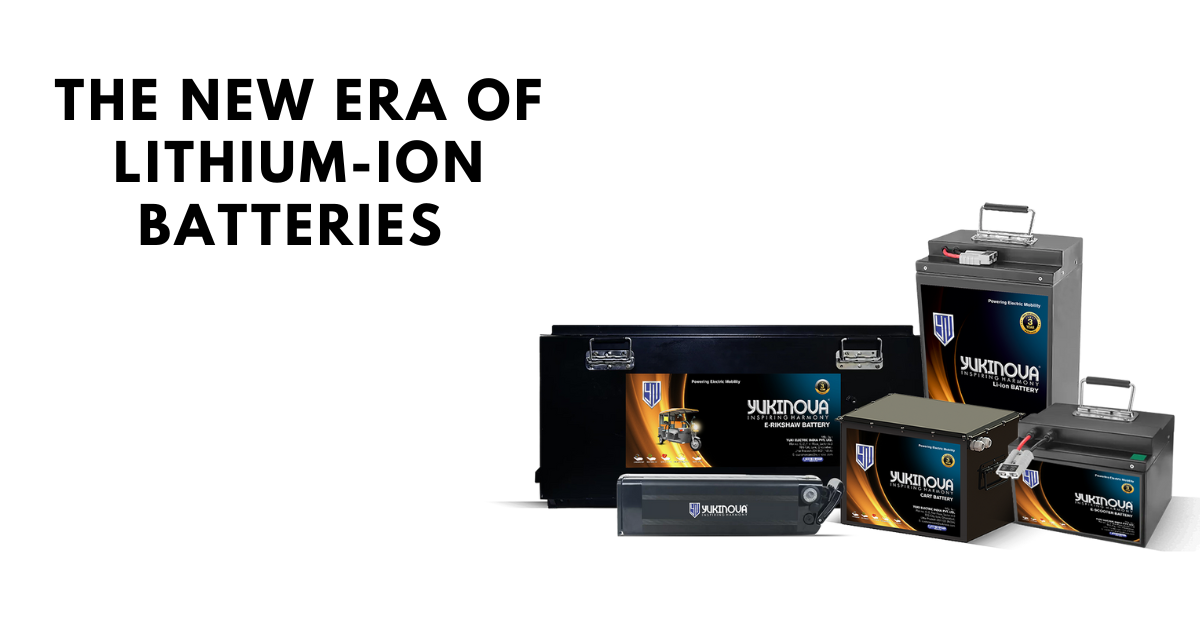
Maintenance Guide for Lithium-Ion Batteries in Two-Wheelers

Maintaining lithium-ion batteries in two-wheelers is vital. Follow these simple tips: charge regularly, avoid full discharges, store in moderate temperatures, and use compatible chargers. Keep the battery clean and inspect for damage. This upkeep ensures longevity and optimum performance for your two-wheeler’s power source. Let’s look a some tips for their maintenance :

1. Regular Charging: Consistently charging your two-wheeler’s lithium-ion battery, even during periods of infrequent use, is crucial for preventing deep discharges. This practice helps maintain the battery’s capacity and overall performance over time. Lithium-ion batteries prefer a partial charge rather than being fully depleted, and regular charging contributes to their longevity.

2. Avoid Overcharging: While regular charging is beneficial, overcharging can be detrimental. Overcharging generates excess heat, which can degrade the battery’s chemistry and reduce its lifespan. Striking a balance in your charging routine is essential, ensuring the battery stays within its optimal voltage range without being subjected to prolonged overcharging.

3. Store in a Cool Place: Proper storage plays a significant role in preserving the health of a lithium-ion battery. Storing your bike in a cool, dry location helps prevent the battery from being exposed to extreme temperatures, which can negatively impact its performance and overall lifespan.

4. Clean the Terminals: Maintaining clean battery terminals is vital for ensuring a strong and reliable connection. Regular cleaning prevents the accumulation of dirt or corrosion, promoting efficient energy transfer and optimal performance during rides.

5. Inspect for Damage: Regular inspections are necessary to identify any signs of damage to the battery, such as cracks or leaks. Swift professional intervention in the event of damage can prevent further issues and contribute to the overall health of the battery.

6. Protect from Extreme Temperatures: Shielding your battery from extreme temperatures, both hot and cold, is crucial for preventing performance issues and irreversible damage. Extreme temperatures can affect the chemical reactions within the battery, leading to a reduction in capacity and overall effectiveness.

7. Use the Correct Charger: Utilizing a charger specifically designed for lithium-ion batteries is essential. This ensures that the charging process is optimized, preventing overcharging or undercharging, which can compromise the health and longevity of the battery.

8. Avoid Complete Discharge: Optimal performance and longevity are achieved by avoiding complete discharges. Lithium-ion batteries perform best when kept within a moderate state of charge, and preventing deep discharges helps extend their overall lifespan.

9. Keep it Dry: Moisture poses a significant risk to lithium-ion batteries. Keeping the battery dry is essential to prevent corrosion and internal damage, maintaining the integrity of the battery cells and preserving their performance.

10. Follow Manufacturer’s Guidelines: Adhering to the manufacturer’s guidelines provides tailored and specific maintenance tips for your two-wheeler’s lithium-ion battery. Following these recommendations unlocks the full potential of the battery, ensuring optimal performance and longevity based on the manufacturer’s expertise and specifications

In conclusion, diligent care and attention to your two-wheeler’s lithium-ion battery are essential for maximizing its lifespan and maintaining optimal performance. By adhering to the outlined practices, including regular charging, avoiding overcharging, proper storage, terminal cleanliness, damage inspections, temperature protection, correct charger usage, avoiding complete discharge, moisture prevention, and following manufacturer guidelines, you ensure that your battery remains a reliable power source for your rides. 

Each step contributes to the overall health of the battery, promoting efficiency and longevity. By incorporating these habits into your routine, you not only protect your investment but also enhance your riding experience by ensuring a consistently reliable and powerful energy source for your two-wheeler.

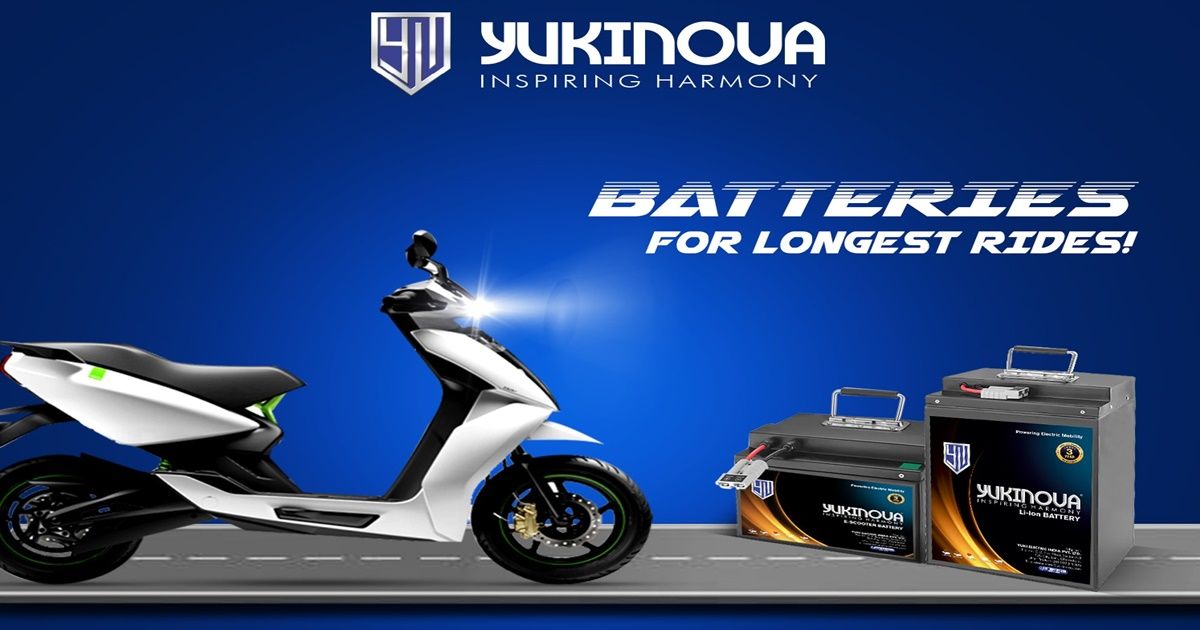
Explore Yukinova, a reliable two-wheeler lithium-ion battery manufacturer for reliable, long-lasting Scooty batteries. Power up your ride with our trusted lithium-ion technology. Discover durability and performance!
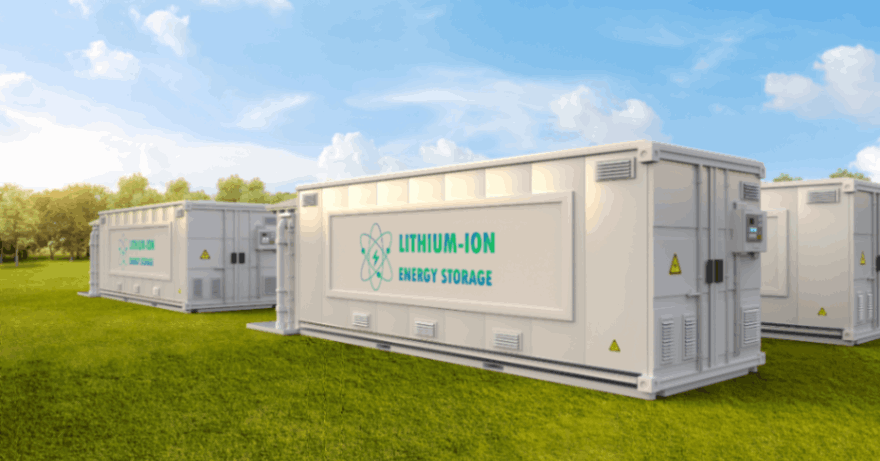
Powering the Future: Yukinova Lithium-Ion Batteries for Uninterrupted Energy

Yukinova Lithium-Ion Batteries

In today’s dynamic world, where electricity outages are an inevitable part of life, the role of inverter batteries has become crucial. These batteries serve as the backbone, ensuring an uninterrupted power supply to keep essential appliances running smoothly. Among the various options available, Lithium-ion batteries, especially those from Yukinova, stand out for their exceptional performance and myriad advantages.

Introduction to Inverter Batteries:

Inverter batteries play a pivotal role in bridging the gap during power outages, maintaining a seamless power flow to essential appliances. They act as the lifeline, preventing disruptions and ensuring that households and businesses can continue their operations without hindrance.

Advantages of Lithium-ion Batteries:

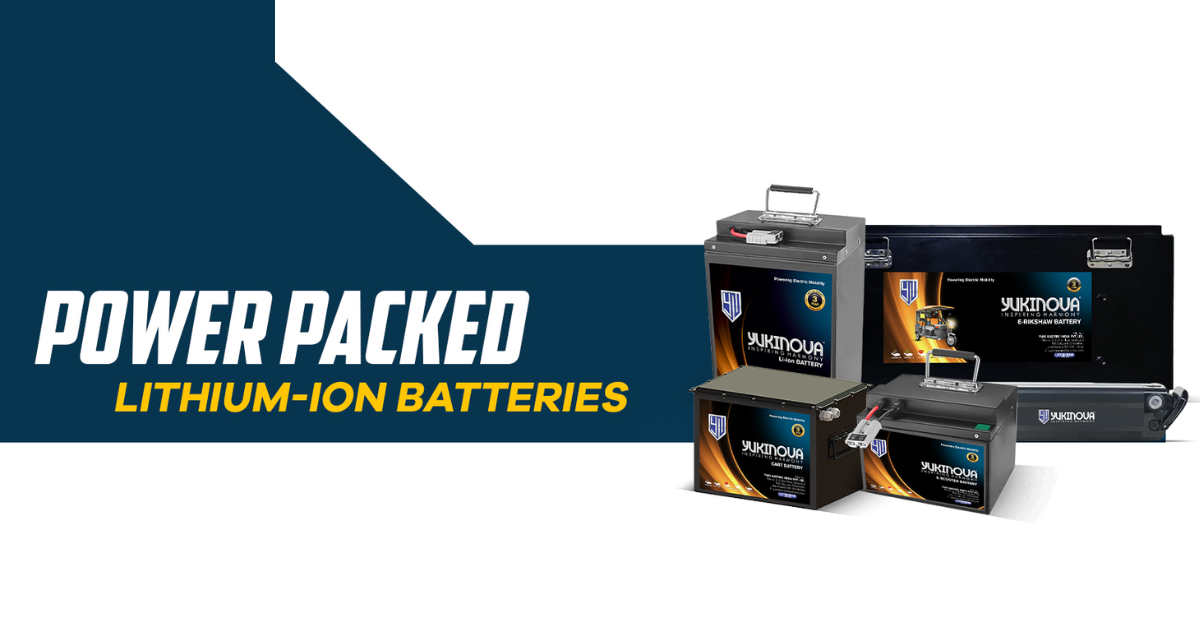
Yukinova Lithium-ion batteries redefine the landscape of inverter power solutions. With a higher energy density, longer lifespan, and lighter weight, they outshine traditional lead-acid batteries. Their faster charging capabilities add a layer of convenience, making them a preferred choice for those seeking efficient and reliable power backup.

Enhanced Performance:

The superior performance of Yukinova Lithium-ion batteries becomes apparent in their consistent power output and efficient energy conversion. Capable of handling high surge currents, they are adept at running heavy-duty appliances, providing a reliable source of power when needed the most.

Longer Lifespan:

One of the standout features of Yukinova Lithium-ion batteries is their extended lifespan when compared to traditional lead-acid counterparts. These batteries demand less maintenance and boast a higher number of charge-discharge cycles, translating into significant cost savings over the long run.

Compact and Lightweight:

Yukinova Lithium-ion batteries, known for their compact and lightweight design, offer unparalleled flexibility in installation and handling. Their small form factor allows for creative placement options within homes or offices, adapting seamlessly to diverse spatial constraints.

Faster Charging:

Reducing downtime during power outages, Yukinova Lithium-ion batteries excel in their faster charging capabilities. The ability to reach full capacity in a shorter time frame sets them apart, providing users with swift access to reliable power when needed.

High Energy Density:

The high energy density of Yukinova Lithium-ion batteries allows them to store more energy in a smaller space. This characteristic proves invaluable in situations where space is limited, such as in apartments or small homes, making them an ideal choice for a wide range of users.

Safety Features:

Yukinova prioritizes safety with its Lithium-ion batteries, incorporating features like overcharge protection, temperature control, and short-circuit prevention. These built-in safeguards ensure the safe operation of the inverter system, mitigating potential hazards and providing users with peace of mind.

Environmentally Friendly:

Choosing Yukinova Lithium-ion batteries also aligns with environmental consciousness. Free from harmful substances like lead or acid, these batteries contribute to a cleaner and greener environment. Users can power their homes or businesses with the confidence that their energy solution is eco-friendly.

Cost-effectiveness:

Investing in Yukinova Lithium-ion inverter batteries proves to be a prudent financial decision. The combination of a longer lifespan, lower maintenance requirements, and higher energy efficiency culminates in significant cost savings over time. The initial investment transforms into a wise, long-term strategy for those looking to optimize their power backup solutions.

Conclusion:

In conclusion, Yukinova Lithium-ion batteries emerge as a formidable choice for individuals and businesses seeking reliable, efficient, and eco-friendly power backup solutions. With a focus on enhanced performance, safety, and long-term cost-effectiveness, these batteries pave the way for a future where uninterrupted power is not just a necessity but a seamless experience. Embrace the power of Yukinova, a trusted Lithium-ion battery manufacturer, and embark on a journey towards a more resilient and sustainable energy future.

Revolutionizing Urban Commuting: Two-Wheelers and the Lithium-Ion Advantage

In the hustle and bustle of urban life, the need for efficient and sustainable commuting solutions has never been more critical. Enter the era of electric two-wheelers, powered by the formidable lithium-ion battery. Let’s delve into how these compact vehicles are reshaping urban commuting and the advantages offered by the lithium-ion technology that fuels them.

Solving the Last-Mile Conundrum

Electric two-wheelers have become the preferred choice for covering short distances in urban areas, addressing the notorious last-mile challenge. Lithium-ion batteries provide the energy density needed for these compact vehicles to navigate through congested streets, offering a quick and convenient solution for the final leg of daily commutes.

Agility in Traffic: The Lithium-Ion Edge

The lightweight nature of lithium-ion batteries contributes significantly to the agility of electric two-wheelers. Maneuvering through traffic, squeezing into tight spaces, and making quick turns become effortless tasks. The lithium-ion advantage enhances the overall responsiveness and handling of these vehicles, making them ideal for navigating urban landscapes.

Extended Range for Urban Explorers

Lithium-ion batteries have revolutionized the range capabilities of electric two-wheelers, allowing riders to explore the cityscape without constant concerns about running out of charge. Commuters can now cover longer distances on a single charge, making electric two-wheelers a viable option for both daily commutes and leisure rides within the city.

Charging Convenience in Urban Settings

The lithium-ion advantage extends to the charging infrastructure available in urban areas. With quick-charging capabilities, electric two-wheelers powered by lithium-ion batteries align seamlessly with the fast-paced lifestyle of urban commuters. Charging stations strategically located across cities make it convenient for riders to top up their batteries on the go.

Eco-Friendly Urban Mobility

Amid growing environmental concerns, electric two-wheelers contribute to cleaner air and reduce noise pollution in urban centers. Lithium-ion batteries, known for their eco-friendly characteristics, align perfectly with the global push toward sustainable transportation. Commuters can now enjoy a greener and quieter ride through city streets.

Smart Features for Urban Living

The integration of smart technologies in electric two-wheelers further enhances the urban commuting experience. Lithium-ion battery-powered vehicles often come equipped with features like app connectivity, GPS navigation, and anti-theft systems, adding a layer of convenience and security for urban riders.

The Future of Urban Mobility

As cities evolve, so does the landscape of urban mobility. Electric two-wheelers, driven by the lithium-ion advantage, are at the forefront of this transformation. They offer a sustainable, efficient, and convenient mode of transportation, shaping the future of urban commuting and paving the way for cleaner and smarter cities. The lithium-ion revolution is not just about powering vehicles; it’s about empowering urban dwellers to navigate their cities with ease and sustainability.

Empower Your Urban Journey with Yukinova

As cities evolve, so does the landscape of urban mobility. Electric two-wheelers, propelled by the Yukinova lithium-ion advantage, stand at the forefront of this transformation. To experience the epitome of sustainable, efficient, and convenient urban commuting, choose Yukinova. Empower your ride, navigate your city with ease, and be part of the lithium-ion revolution with Yukinova – setting the standard for cleaner and smarter urban mobility.

The Vital Role of Automotive Batteries in Electric and Hybrid Vehicles

In a world increasingly focused on sustainability and eco-friendly technologies, electric and hybrid vehicles have taken center stage, reshaping the automotive industry as we know it. At the heart of these innovative vehicles lies a critical component that powers the transition to a greener future: the automotive battery. With each passing day, these batteries are not only powering vehicles but also transforming the way we think about transportation. In this article, we explore the pivotal role of automotive batteries in electric and hybrid vehicles and their impact on the way we move.

Powering the Vehicle

Automotive batteries play a crucial role in starting the vehicle and operating its various electrical components. Gone are the days of traditional internal combustion engines; today’s electric and hybrid vehicles rely on these batteries to initiate the journey. They serve as the heartbeat of these modern machines, ensuring a smooth and efficient start.

Energy Storage

Energy storage is one of the primary functions of automotive batteries in electric and hybrid vehicles. These high-capacity batteries, often lithium-ion or nickel-metal hydride (NiMH), are renowned for their energy density and efficiency. They store the energy needed to power the electric motor, making it possible for these vehicles to travel substantial distances on a single charge. As technology advances, so does the capacity and efficiency of these batteries, leading to increased range and improved acceleration.

Range and Performance

The capacity and performance of automotive batteries are pivotal in determining the range and overall performance of electric and hybrid vehicles. Recent advancements in battery technology have not only extended the range these vehicles can cover but have also improved their acceleration, providing a driving experience that rivals traditional internal combustion engine cars.

Regenerative Braking

One of the standout features of electric and hybrid vehicles is regenerative braking. This innovative technology harnesses the kinetic energy generated during braking and converts it into electrical energy. This energy is then stored in the automotive battery for later use, significantly enhancing the vehicle’s overall efficiency. Not only does this system save energy, but it also increases the lifespan of the battery.

Reduced Emissions

One of the most significant advantages of electric and hybrid vehicles is their ability to reduce emissions drastically. By relying on electric power, these vehicles emit far fewer greenhouse gases and pollutants compared to their traditional counterparts. Automotive batteries are instrumental in enabling this transition to cleaner and more sustainable transportation, paving the way for a healthier planet.

Charging Infrastructure

The growth of electric and hybrid vehicles has led to the development of a robust charging infrastructure. From convenient home charging stations to an ever-expanding network of public charging stations and fast-charging networks, automotive batteries ensure that recharging these vehicles is accessible and hassle-free. This infrastructure is a testament to the growing acceptance and adoption of electric and hybrid vehicles worldwide.

Battery Management Systems

To maximize the performance, safety, and lifespan of automotive batteries, electric and hybrid vehicles employ sophisticated Battery Management Systems (BMS). These systems monitor and optimize the battery’s performance, ensuring efficient charging and discharging. They also protect against potential issues such as overcharging or overheating, guaranteeing both the longevity of the battery and the safety of the vehicle and its occupants.

Recycling and Sustainability

As automotive batteries reach the end of their life cycles, proper recycling and disposal become paramount. To address this concern, many manufacturers have established battery recycling programs. These programs not only recover valuable materials from used batteries but also minimize the environmental impact associated with battery disposal. This commitment to sustainability is a significant step toward a more eco-conscious future.

Future Developments

The future of automotive batteries is incredibly promising. Ongoing research and development efforts aim to enhance the energy density, charging speed, and overall performance of these batteries. Advancements in solid-state batteries and other emerging technologies hold the potential to further revolutionize electric and hybrid vehicles, making them even more efficient and environmentally friendly.

In conclusion, automotive batteries are the unsung heroes powering the electric and hybrid vehicles that are driving the automotive industry into a sustainable and eco-friendly future. These batteries are not merely components of a vehicle; they are the driving force behind a global shift toward greener transportation options. As technology continues to evolve, we can expect even more remarkable advancements in the world of automotive batteries, further solidifying their role in reshaping the way we move and making our planet a cleaner and healthier place to live.

Electrifying the Future: Lithium-ion Batteries Revolutionizing E-Rickshaws

E-rickshaws, the eco-friendly, electric-powered rickshaws that have become a ubiquitous sight in many cities, are ushering in a new era of sustainable transportation. At the heart of this revolution are lithium-ion batteries, offering a range of advantages that are transforming the e-rickshaw industry. Here, we delve into ten key reasons why lithium-ion batteries are the game-changers for e-rickshaws.

1. Longer Lifespan: Lithium-ion batteries boast a longer lifespan compared to traditional lead-acid batteries. This not only reduces operational costs but also minimizes the frequency of battery replacements, making e-rickshaw ownership more economical in the long run.

2. Lightweight: The lightweight nature of lithium-ion batteries significantly improves the overall efficiency and performance of e-rickshaws. Their reduced weight means less energy is required to move the vehicle, enhancing its range and energy efficiency.

3. Fast Charging: Lithium-ion batteries can be charged rapidly, allowing e-rickshaw drivers to spend less time at charging stations and more time on the road serving passengers. This quick-charging capability enhances the productivity of e-rickshaw operators.

4. Higher Energy Density: Lithium-ion batteries offer a higher energy density, which means they can store more energy in a smaller and lighter package. This leads to enhanced power-to-weight ratios and greater energy efficiency for e-rickshaws.

5. Improved Efficiency: E-rickshaws powered by lithium-ion batteries are more energy-efficient, translating into longer driving ranges and lower operating costs. This efficiency is a win-win for both e-rickshaw owners and the environment.

6. Zero Emissions: One of the most significant advantages is that e-rickshaws powered by lithium-ion batteries produce zero emissions, contributing to cleaner air in cities and reducing their environmental footprint. They are a vital step toward reducing urban air pollution.

7. Low Maintenance: Lithium-ion batteries require minimal maintenance compared to lead-acid batteries. This not only saves time but also lowers maintenance costs, making e-rickshaw operations more cost-effective.

8. Enhanced Performance: 

Lithium-ion batteries provide consistent and reliable power, ensuring smooth acceleration and better overall performance of e-rickshaws. Drivers can expect a more comfortable and efficient driving experience.

9. Regenerative Braking: Lithium-ion batteries can efficiently capture and store energy during regenerative braking, further improving the overall energy efficiency of e-rickshaws. This innovative feature enhances the vehicle’s range and energy management.

10. Sustainable Solution: By incorporating lithium-ion batteries in e-rickshaws, we contribute to a more sustainable transportation system. This shift reduces our reliance on fossil fuels, promotes the use of renewable energy, and aligns with the global goal of achieving greener urban mobility.

In conclusion, the adoption of lithium-ion batteries in e-rickshaws represents a monumental leap forward in the quest for sustainable and efficient urban transportation. These batteries are not only technologically advanced but also environmentally responsible. They address a multitude of challenges by offering a longer lifespan, improved efficiency, reduced maintenance, and, most significantly, zero emissions. As e-rickshaws continue to proliferate in cities worldwide, the lithium-ion battery is undoubtedly the driving force behind this electrifying transformation, promising cleaner and more efficient urban mobility for all.

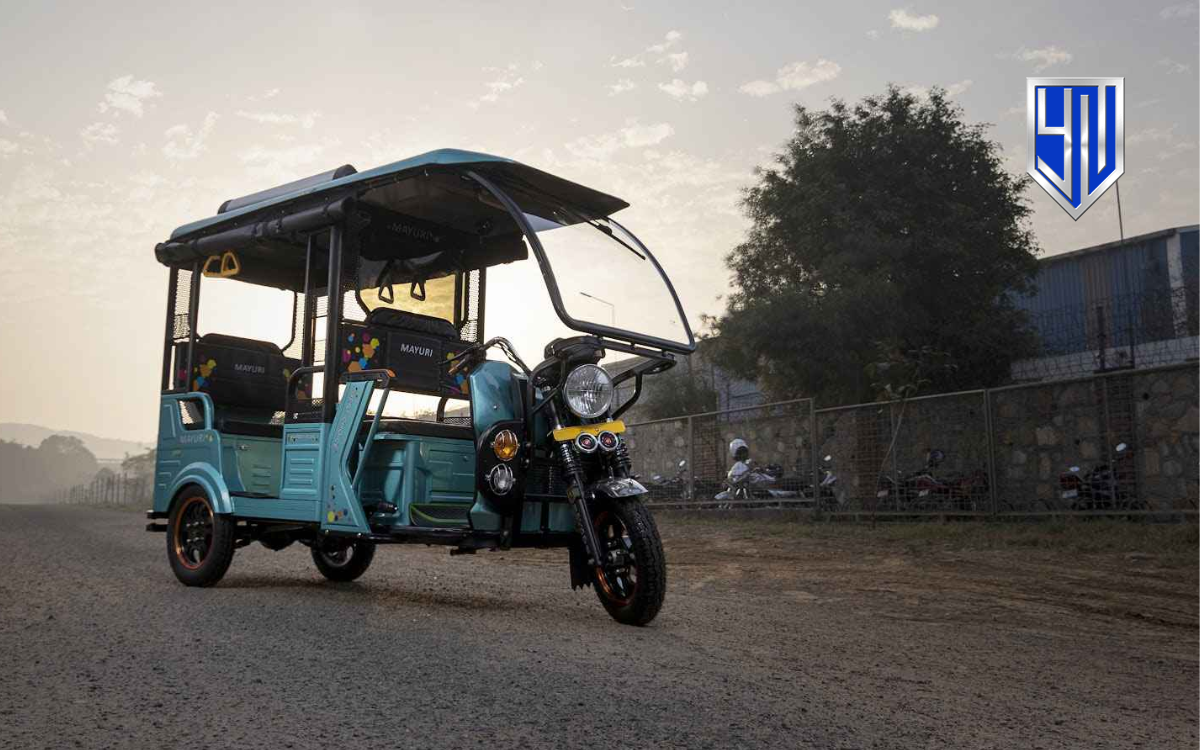
In the dynamic landscape of electric rickshaws in India, Yukinova shines as a prominent E-rickshaw battery manufacturer and a trusted lithium-ion battery supplier. With a dedicated focus on providing high-quality and reliable battery solutions, Yukinova plays a crucial role in powering the nation’s growing fleet of E-rickshaws. 

Their commitment to advanced lithium-ion technology and an extensive network of dealers ensures that E-rickshaw owners across India have access to efficient and eco-friendly power sources. By offering lithium-ion batteries, Yukinova contributes to cleaner and more sustainable transportation, aligning with the nation’s objectives for a greener future. With Yukinova, E-rickshaws in India are poised for a brighter and more environmentally responsible journey.

Lithium-ion batteries regulations and safety standards

Lithium-ion batteries are a ubiquitous power source, driving everything from our smartphones to electric vehicles. As these batteries become increasingly integrated into our daily lives, ensuring their safety and compliance with international standards is of paramount importance. In this comprehensive guide, we delve into the world of lithium-ion battery standards, safety testing, transportation regulations, storage, and responsible recycling and disposal practices.

1. International Standards

  • Organizations Setting the Bar

Two prominent international bodies, the International Electrotechnical Commission (IEC) and the International Organization for Standardization (ISO), have played a pivotal role in establishing standards for lithium-ion batteries. These standards are designed to encompass various facets of battery life, from the design and manufacturing process to testing, transportation, and eventual disposal.

  • All-Encompassing Standards

These international standards cover a wide range of aspects. They set guidelines for the structural design of batteries, ensuring that they meet specific safety criteria. Manufacturing processes are also closely regulated to minimize the risk of defects. Moreover, testing standards provide a comprehensive assessment of electrical, mechanical, and thermal performance. In essence, they establish a universal language for ensuring the reliability and safety of lithium-ion batteries across industries.

2. Safety Testing and Certification

  • Rigorous Testing for Peace of Mind

Safety is paramount when it comes to lithium-ion batteries. These powerhouses undergo rigorous testing to assess their compliance with industry regulations and standards. These tests aren’t merely a formality; they are designed to ensure that batteries can perform as expected even under extreme conditions.

  • Electrical, Mechanical, and Thermal Tests

Electrical tests evaluate a battery’s capacity, voltage, and charging and discharging capabilities. Mechanical tests assess the physical durability of the battery, ensuring it can withstand real-world use. Thermal tests examine the battery’s performance under extreme temperature conditions. These assessments help identify potential issues and weaknesses.

  • Certifications Signify Compliance

Battery manufacturers often seek certifications like UL (Underwriters Laboratories) and CE (Conformité Européene) to demonstrate their commitment to safety and compliance. These certifications indicate that the batteries meet specific safety standards and have undergone rigorous testing. When consumers see these certifications, they can have confidence in the safety and quality of the product.

3. Transportation Regulations

  • Stringent Regulations for Transportation

Due to the potential risks associated with lithium-ion batteries, there are strict regulations in place to govern their transportation. These regulations are vital for ensuring the safety of both those handling the batteries and the public.

  • Packaging and Labeling Requirements

Regulations dictate the packaging requirements for shipping lithium-ion batteries. This includes protective measures to prevent short circuits or damage during transport. Proper labeling is also required to communicate the type of batteries being transported and to identify potential hazards.

  • Documentation and Quantity Limits

Documentation requirements are in place to ensure that the batteries being transported are properly identified and documented. Additionally, there are restrictions on the quantity of batteries that can be transported in a single shipment. These restrictions help prevent accidents and limit the potential dangers associated with large quantities of lithium-ion batteries.

4. Storage and Handling Guidelines

  • Preventing Accidents through Proper Storage and Handling

Proper storage and handling of lithium-ion batteries are crucial to prevent accidents and ensure their longevity. These guidelines are not only important for manufacturers and shippers but also for end-users who might have spare batteries for their devices.

  • Optimal Storage Conditions

Lithium-ion batteries should be stored in cool, dry environments to prevent moisture from causing damage. Extreme temperatures should be avoided, as they can affect battery performance and lifespan. It’s also important to store batteries away from direct sunlight, which can cause overheating.

  • Avoiding Physical Damage

Physical damage can lead to battery leakage or even fires. Proper storage includes ensuring that batteries are not punctured, crushed, or exposed to heavy impact. They should be kept in their original packaging or protective cases when not in use.

5. Recycling and Disposal

  • Responsible End-of-Life Practices

Lithium-ion batteries, like all electronic waste, should be recycled or disposed of properly to minimize their environmental impact. These batteries contain valuable materials, and their improper disposal can lead to pollution and resource waste.

  • Collection and Recycling Regulations

Many countries have regulations in place for the collection and recycling of used batteries. These regulations encourage consumers to drop off their used batteries at designated recycling centers or return them to manufacturers for proper disposal. Recycling helps recover valuable materials like lithium, cobalt, and nickel for reuse in new batteries.

  • Environmental Responsibility

Proper disposal and recycling of lithium-ion batteries are not only a legal requirement but also an environmental responsibility. It prevents the release of harmful chemicals into the environment and conserves valuable resources. Companies and individuals alike play a crucial role in promoting responsible end-of-life practices.

In conclusion, the safety and compliance of lithium-ion batteries are critical considerations in our increasingly battery-dependent world. International standards, safety testing, transportation regulations, storage and handling guidelines, and responsible recycling and disposal practices are essential components of ensuring that lithium-ion batteries can power our devices and vehicles while minimizing risks to both people and the environment. By adhering to these measures, we can enjoy the benefits of this technology with confidence in its safety and sustainability.

Yukinova Battery is a renowned scooty battery manufacturer based in Bangalore, India. We take immense pride in producing high-quality lithium-ion batteries that meet international safety and quality standards. Our batteries undergo rigorous testing to ensure reliability and adherence to industry benchmarks. Yukinova Battery also emphasizes the significance of proper disposal and recycling to promote environmental responsibility and sustainability. With our commitment to safety, compliance, and eco-friendliness, Yukinova Battery has established itself as a trusted name in the world of lithium-ion batteries.

How to select the right E-rickshaw batteries?

Selecting the right battery for your E-rickshaw is crucial for ensuring optimal performance and longevity. Here are some key factors to consider when choosing an E-rickshaw battery:

1. Battery Type:

There are different types of batteries available for E-rickshaws, such as lead-acid batteries and lithium-ion batteries. Lead-acid batteries are more affordable but have a shorter lifespan and require regular maintenance. On the other hand, lithium-ion batteries are more expensive but offer longer life, faster charging, and higher energy density.

2. Capacity:

The battery capacity determines the range and mileage of your E-rickshaw. It is measured in ampere-hours (Ah). Consider the distance you need to cover daily and choose a battery with sufficient capacity to meet your requirements.

3. Voltage:

The voltage rating of the battery should match the voltage requirements of your E-rickshaw. Most E-rickshaws operate on 48V or 60V systems, so make sure to choose a battery with the appropriate voltage.

4. Brand and Quality:

Opt for batteries from reputable brands that have a proven track record in the industry. High-quality batteries are more reliable, and durable, and offer better performance. Research customer reviews and seek recommendations from other E-rickshaw owners to ensure you choose a reliable brand.

5. Warranty and After-Sales Support:

Check the warranty period offered by the battery manufacturer. A longer warranty indicates confidence in the product’s quality. Additionally, consider the availability of after-sales support, including service centers and spare parts, in case you encounter any issues with the battery.

6. Charging Time:

Look for batteries that offer fast charging capabilities. This will minimize the downtime of your E-rickshaw and allow you to maximize your earning potential.

7. Weight and Space:

Consider the weight and dimensions of the battery, as it will impact the overall weight and balance of your E-rickshaw. Ensure that the battery fits properly in the designated space without compromising safety or comfort.

8. Price:

While cost is an important factor, it should not be the sole determining factor. Balance your budget with the quality and performance of the battery. Investing in a high-quality battery may initially cost more but can save you money in the long run through improved efficiency and durability.

Yukinova is a well-known E-rickshaw battery manufacturer in India. They specialize in producing high-quality batteries for electric rickshaws. With their expertise and commitment to innovation, Yukinova has gained a strong reputation in the industry. They also cater to the growing demand for scooty batteries in Bangladesh, offering reliable and efficient battery solutions. As an E-rickshaw battery manufacturer in India and a scooty battery manufacturer in India, Yukinova provides reliable and durable batteries to enhance the performance of electric vehicles.

The New Era of Lithium-Ion Batteries 

INTRODUCTION

Lithium-ion batteries are the leading rechargeable battery technology in use today, powering an array of everyday devices such as mobile phones and electric vehicles. In this comprehensive blog, we will delve into the different types of lithium-ion batteries and explore their various applications like UPS/power backups, mobiles, laptops, energy storage systems, and two-wheeler battery manufacturers or in electric mobility.

Understanding the Inner Workings of Lithium-ion Batteries

Lithium-ion batteries comprise single or multiple lithium-ion cells, each featuring a protective circuit board. Once these cells are installed within a device, along with the protective circuit board, they are collectively referred to as batteries.

The key components of a lithium-ion battery include:

Electrodes: These are the positively and negatively charged ends of the cell, attached to the current collectors.

Anode: The anode composition in a lithium-ion battery is typically made of graphite or other carbon-based materials. Graphite has excellent properties for storing and releasing lithium ions during the battery’s charge and discharge cycles. It helps in maintaining the stability and efficiency of the battery.

Cathode: The cathode composition in a lithium-ion battery typically consists of lithium metal oxide compounds, such as lithium cobalt oxide (LiCoO2), lithium nickel manganese cobalt oxide (LiNiMnCoO2), or lithium iron phosphate (LiFePO4). These compounds help in the efficient storage and release of lithium ions during the battery’s charge and discharge cycles.

Electrolyte: The electrolyte composition in a lithium-ion battery usually consists of a lithium salt, such as lithium hexafluorophosphate (LiPF6), dissolved in an organic solvent, such as ethylene carbonate or dimethyl carbonate. This electrolyte facilitates the movement of lithium ions between the cathode and the anode during the battery’s operation.

Current Collectors: The current collectors in a lithium-ion battery are usually made of metal foils, such as copper for the cathode current collector and aluminum for the anode current collector. These metal foils help in the efficient collection and distribution of electrical current within the battery.

Separator: The separator in a lithium-ion battery is typically made of a porous polymer material. It acts as a physical barrier between the cathode and the anode, preventing direct contact and short circuits while allowing the flow of lithium ions. This helps maintain the battery’s safety and efficiency.

In a lithium-ion battery, lithium ions (Li+) move internally between the cathode and anode, while electrons move in the opposite direction in the external circuit. This migration of ions and electrons is what enables the battery to generate electrical current.

During discharge, the anode releases lithium ions to the cathode, creating a flow of electrons that powers the device. Conversely, during charging, lithium ions are released by the cathode and received by the anode.

Exploring Types of Lithium-ion Batteries

Now that we have a foundational understanding of lithium-ion batteries, let’s delve into the various types and their applications:

1. Lithium Iron Phosphate (LFP) Batteries

LFP batteries employ phosphate as the cathode material and a graphitic carbon electrode as the anode. These batteries are known for their extended life cycle, robust thermal stability, and exceptional electrochemical performance.

Applications: LFP battery cells typically have a nominal voltage of 3.2 volts, making them a popular choice for replacing lead-acid deep-cycle batteries and it is favored by many two-wheeler battery manufacturers. 

Benefits: The primary advantages of LFP batteries are their durability, long life cycle, and safety. They often surpass 2,000 cycles and are less affected by depth of discharge compared to lead-acid batteries.

2. Lithium Cobalt Oxide (LCO) Batteries

LCO batteries are characterized by their high specific energy but relatively low specific power. They are less suitable for high-load applications but excel at delivering power consistently over a longer period.

Applications: LCO batteries were once common in small portable electronics like mobile phones, laptops, and cameras. However, concerns about cobalt’s cost and safety have led to its declining popularity.

Benefits: The primary use of LCO batteries is their high specific energy, enabling them to provide power steadily over extended durations.

3. Lithium Manganese Oxide (LMO) Batteries

LMO batteries utilize lithium manganese oxide as the cathode material, creating a three-dimensional structure that enhances ion flow, reduces internal resistance, and improves current handling. These batteries are also known for their thermal stability and safety.

Applications: LMO batteries are commonly found in portable power tools, medical instruments, and certain hybrid and electric vehicles.

Benefits: LMO batteries offer quick charging, high specific power, and superior thermal stability compared to LCO batteries. They can be optimized for either high-load or long-life applications.

4. Lithium Nickel Manganese Cobalt Oxide (NMC) Batteries

NMC batteries combine the strengths of three key elements in the cathode: nickel, manganese, and cobalt. This combination results in stable chemistry with high specific energy.

Applications: NMC batteries are popular in power tools, electric powertrains for e-bikes, scooters, and electric vehicles.

Benefits: NMC batteries offer high energy density, a longer life cycle at a lower cost than cobalt-based batteries, and enhanced thermal stability compared to LCO batteries.

5. Lithium Nickel Cobalt Aluminum Oxide (NCA) Batteries

NCA batteries provide high specific energy with respectable specific power and an extended lifespan, allowing them to deliver substantial current for extended periods.

Applications: NCA batteries are favored in the electric vehicle market.

Benefits: NCA batteries excel in terms of high energy density and longevity.

6. Lithium Titanate (LTO) Batteries

LTO batteries stand out due to their unique anode material, replacing graphite with lithium titanate, while still utilizing LMO or NMC as the cathode chemistry. This results in an exceptionally safe battery with rapid charging capabilities.

Applications: LTO batteries find use in a wide range of applications, including electric vehicles, uninterrupted power supplies, renewable energy storage, solar street lights, telecommunications systems, aerospace, and military equipment.

Benefits: LTO batteries offer benefits such as fast charging, a broad operating temperature range, a long lifespan, and outstanding safety due to their stability.

In conclusion, lithium-ion batteries offer a wide array of advantages, including high energy density, low self-discharge, minimal maintenance requirements, and versatility. If you are seeking reliable lithium-ion batteries for your needs, Yukinova provides the trust and assurance you require and is one of the well-known producers of electric bike battery manufacturers in India. Our high-quality lithium-ion batteries are designed to meet your demands, ensuring a bright and sustainable future.

The Advantages of Lithium-ion Batteries for Two-Wheelers.

In the ever-evolving world of electric mobility, the demand for efficient and reliable energy sources is on the rise. One technology that has significantly transformed the landscape of two-wheelers is the lithium-ion battery. As a leading Scooty battery manufacturer in Bangalore, India Yukinova understands the crucial role played by lithium-ion batteries in powering electric scooters and motorcycles across India. 

In this article, we’ll explore the numerous advantages of lithium-ion batteries for two-wheelers, shedding light on why they are the preferred choice for modern riders.

1. Enhanced Range:

One of the most significant advantages of lithium-ion batteries is their ability to provide an extended range for two-wheelers. Compared to traditional lead-acid batteries, lithium-ion batteries offer higher energy density, allowing riders to travel longer distances on a single charge. This enhanced range is a game-changer for daily commuters, reducing the need for frequent recharging & making electric two-wheelers a more practical option.

2. Lightweight Design:

Lithium-ion batteries are substantially lighter than their lead-acid counterparts, making electric scooters and motorcycles more agile and easier to handle. This reduced weight also contributes to better overall performance, including acceleration and handling.

3. Faster Charging Times:

Two-wheeler riders are often on the go and waiting for hours to charge a battery is not convenient. Lithium-ion batteries offer rapid charging capacities, significantly reducing charging times. This means that riders can quickly recharge their vehicles during short breaks, making electric two-wheelers a practical choice for urban and long-distance travel.

4. Longevity and Durability:

Lithium ion batteries have a longer lifespan compared to traditional lead-acid batteries, which need to be replaced more frequently. This longevity not only reduces maintenance costs but also contributes to the sustainability of electric vehicles.

5. High Discharge Rate:

Lithium-ion batteries can provide high discharge rates, allowing two-wheelers to deliver impressive acceleration and performance. Whether it’s zipping through city traffic or climbing steep hills, lithium-ion batteries ensure a smooth and powerful ride.

6. Maintenance Convenience:

Two-wheeler riders appreciate low-maintenance solutions and lithium-ion batteries offer just that. Unlike lead-acid batteries that require periodic water refilling and maintenance, lithium-ion batteries are virtually maintenance-free. This means riders can spend more time on the road and less time worrying about battery upkeep.

7. Environmental Friendliness:

As responsible Two-Wheeler Battery Manufacturers in India, Yukinova understands the importance of environmental sustainability. Lithium-ion batteries are more eco-friendly than lead-acid batteries as they produce zero emissions during use. Additionally, the recyclability of lithium-ion batteries contributes to reducing the environmental impact of electric two-wheelers.

8. Advanced Battery Management Systems:

Modern lithium-ion batteries are equipped with sophisticated Battery Management Systems (BMS). These systems monitor and manage the battery’s performance, ensuring safety, efficiency and longevity. Yukinova’s commitment to quality ensures that its lithium-ion batteries are equipped with cutting-edge BMS technology.

In conclusion,Lithium-ion batteries offer significant advantages for two-wheelers. They provide extended range, are lightweight and offer fast charging. They are durable, require minimal maintenance and have a high discharge rate for better performance. They are also environmentally friendly and equipped with advanced Battery Management Systems for safety and efficiency. Yukinova, a leading Scooty battery manufacturer in Bangalore, promotes these benefits, making lithium-ion batteries the preferred choice for modern riders in India.

Why choose Lithium-Ion Batteries for your two wheelers

With the current advancements in technology and a vision for a greener future, we have seen the rise in electric vehicles quite a lot these days. From E-rickshaw to electric two wheelers, the electric revolution is transforming the way we commute. And at the heart of this revolution is the lithium-ion battery. In this blog, we’ll understand how lithium-ion batteries are changing the game for two-wheelers and why they’re the driving force behind a greener future.

Why choose lithium ion batteries for your two wheelers

1.High energy density 

Lithium-ion batteries have high energy density as compared to other batteries. In the world of electric two-wheelers, it is essential to have longer backup for the longer rides. Whether you’re commuting to work, visiting your friend’s home or going to a historical site,  lithium-ion batteries offer the power and range you need.

2.Lightweight

Apart from delivering higher energy density, lithium-ion batteries are compact and lightweight in design. In two-wheelers, where every pound counts, this makes a huge difference. These batteries not only provide more power but also help to improve handling and maneuverability.

3.Fast Charging for On-the-Go:

Imagine that you’re on a long ride, and suddenly your battery runs out of power. With their quick charging capabilities lithium-ion batteries come to the rescue. Charge your electric two wheeler on the go with a durable lithium-ion battery that packs in more backup.

4.Low Maintenance:

It is essential to invest in a good battery for an electric two-wheeler as the battery is the power that drives the electric vehicle. As compared to the traditional lead acid batteries, lithium-ion batteries have a longer lifespan. This leads to fewer replacements and you can enjoy years of reliable performance with minimal maintenance.

5.Environmentally Friendly:

Lithium-ion batteries are eco-friendly champions as they help to reduce carbon footprint which is a global priority. Lithium-ion batteries helps to switch to EVs with their desirable features and help you to ride green as EVs produce zero emissions during use, contributing to a cleaner, greener environment.

5.Customizable

Being versatile, Lithium-ion batteries can be tailored to the specific needs of your two-wheelers and three wheelers. Whether you’re cruising through the city lanes for morning office hustle on your scooty or riding an electric motorbike in the countryside on your vacation, there’s a lithium-ion battery solution for you.

6.BMS

Lithium ion batteries come with a battery management system or BMS that helps to monitor the charging status, lifespan, charge cycles and temperature conditions.

The way ahead

Electric two-wheelers are continuing to gain popularity, and are playing  a pivotal role in shaping the future of transportation. They are helping to drive towards a greener and cleaner world where there will be reduced reliance on fossil fuels thus minimizing the impact on our planet.

Summary:

Lithium ion batteries have transformed the way we ride. Powered by innovation and efficiency with an aim of sustainability, they are making the green rides joyful. So, whether you’re a daily office or college commuter or a weekend explorer, lithium-ion batteries are here to empower your every ride.
Yukinova is a leading Electric Bike Battery Manufacturers In India. Their batteries are well known for their long lifespan and high efficiency. They also rank as one of the top E-Rickshaw Battery Manufacturers in India with their high quality e-rick batteries