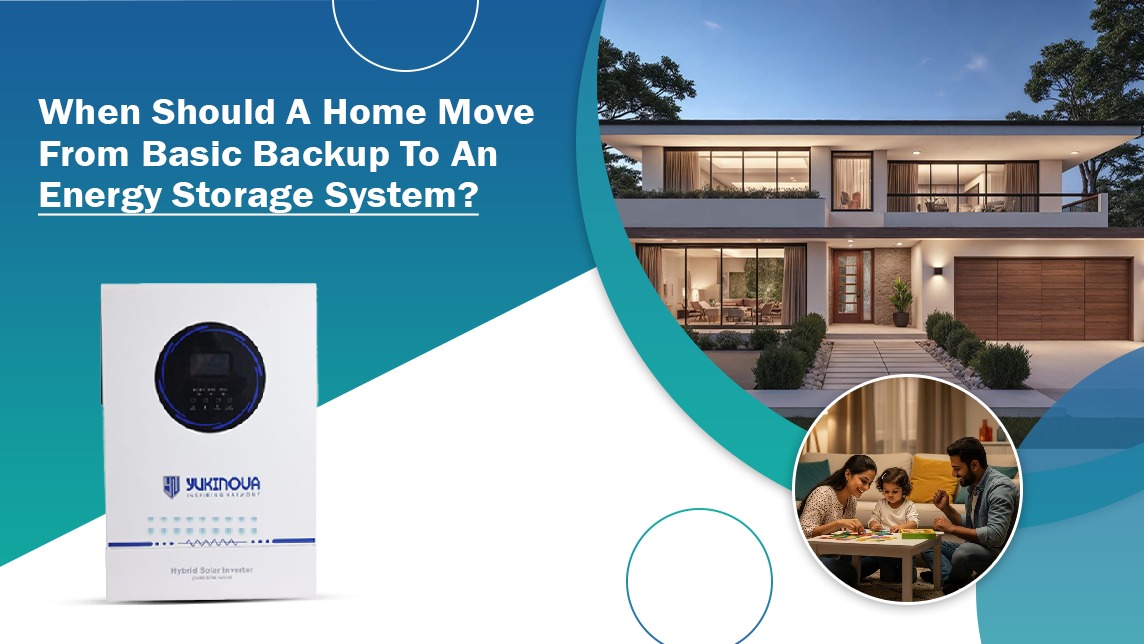
When Should A Home Move From Basic Backup To An Energy Storage System?

Most homes start with a simple inverter setup.

One inverter. One battery. Enough backup for lights, fans, Wi-Fi, and maybe a few small appliances. For many homes, that works fine.

But after some time, the need changes.

Power cuts become longer. Work-from-home starts. Children need online classes. CCTV, routers, laptops, TV, and kitchen appliances get added. Some homes also install solar panels. Slowly, the old backup system starts feeling small.

That is when a home should start thinking beyond basic backup and look at an energy storage system battery or hybrid solar inverter.

When Basic Backup Is Enough

A normal inverter setup is fine when the power need is small.

If you only want lights, fans, and basic charging during short power cuts, you may not need a bigger system. A good lithium battery for inverter can handle this kind of home backup well when it matches the load properly.

Yukinova offers lithium batteries for inverter use for homes and small offices, with focus on faster charging, lower maintenance, stable backup, and longer service life compared to regular battery options.

So, for simple backup, do not overcomplicate things. First check your actual load. If the battery handles it comfortably, basic backup is enough.

When You Need More Than An Inverter

The problem starts when your backup need becomes bigger than the system.

For example, if your inverter struggles during every power cut, backup drops too fast, or the battery does not charge properly before the next outage, the system may be undersized.

This happens often when homes add more devices but never upgrade the backup setup.

A laptop here. A router there. CCTV later. Then maybe a bigger fan load or small appliance. The inverter battery keeps taking more pressure.

At this stage, an energy storage system battery makes more sense. It gives better planning for bigger loads, longer backup, and smoother power use.

When Hybrid Solar Inverter Comes Into The Picture

Solar changes the whole backup discussion.

Panels produce power during the day. But without proper storage, that power may not help much at night or during outages. This is where a hybrid solar inverter becomes useful.

A hybrid solar inverter manages solar power, battery storage, and grid supply together. Yukinova lists hybrid solar inverter models such as 4KVA, 6.2KVA, and 11KVA options.

So, if a home already has solar or plans to install solar, it should not think only about panels. It should think about storage too.

Solar without storage can reduce bills.

Solar with storage can improve backup.

When Shops And Home Offices Need Stability

This is not only for big houses.

Small shops and home offices also need stable power. A shop may need lights, billing machines, CCTV, and phone charging. A home office may need Wi-Fi, laptop charging, lighting, and backup during meetings.

If power failure stops work, then backup is not just comfort. It becomes part of daily productivity.

In such cases, Yukinova’s inverter battery and hybrid inverter options can help users build a better power setup based on actual load and future needs. Yukinova’s product range includes hybrid inverters, inverter batteries, portable power, and other lithium battery solutions.

Final Thoughts

A basic inverter is enough for small backup needs.

But if your home has higher load, frequent power cuts, solar panels, or work-from-home pressure, it may be time to move toward an energy storage system.

Do not upgrade by guesswork.

Check your load. Check backup time. Check charging source. Check whether solar is part of the plan.

The right system should do one simple thing well: keep power available when your home actually needs it.
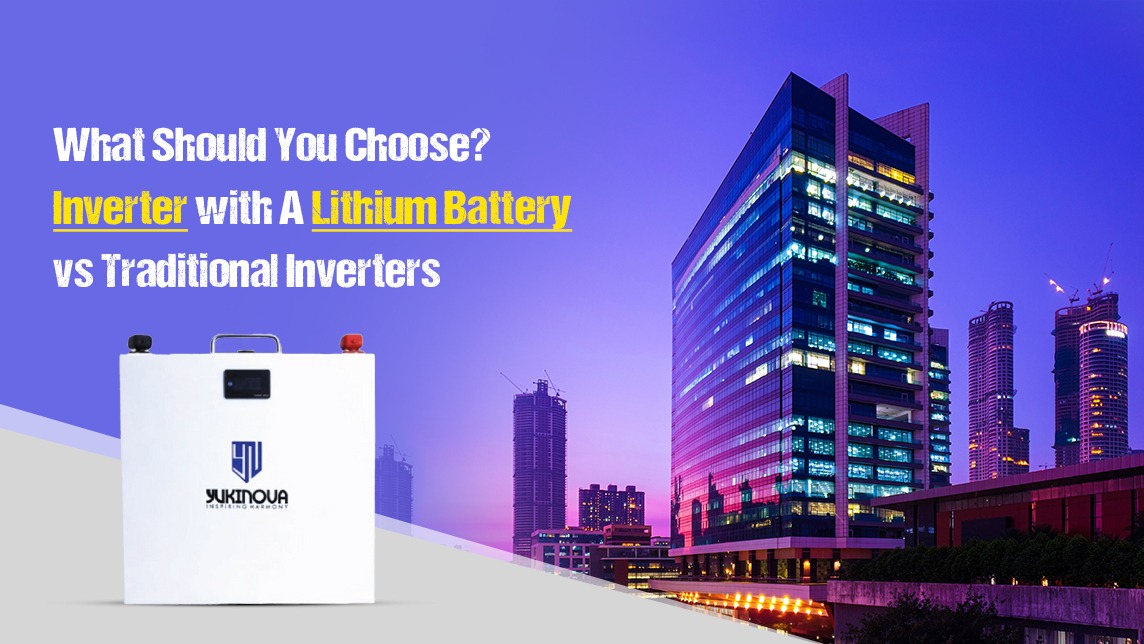
What Should You Choose? Inverter with A Lithium Battery vs Traditional Inverters 

Power outages remain a common occurrence in many areas. In both households and work environments, the type of power source you employ determines the efficiency of the operations. You’ve probably come across the term lithium battery for inverter while exploring options. It’s getting popular but is it actually better than the traditional setup, or just a trend?

Here’s what actually matters when you compare the two.

Understanding the Basics

A traditional inverter setup is what most people are already familiar with. It uses a separate battery, usually lead acid or tubular battery connected to an inverter. It works, but it also comes with limitations like maintenance, space requirements, and performance degradation over time.

Now compare that with a newer setup. An inverter paired with a lithium battery for inverter is built differently from traditional systems. The battery is either integrated or designed to work seamlessly with the inverter, making the overall setup more compact and efficient.

On paper, both systems serve the same purpose. In real use, the difference becomes noticeable.

What Actually Sets Them Apart

Space and Setup

Traditional systems take up more room than expected. You need space not just for the inverter, but also for the battery, along with proper ventilation.

With a lithium battery for inverter, the setup is far more compact. This makes it easier to install and manage, especially in smaller homes or offices.

Maintenance 

If you’ve used a lead acid battery before, you already know the routine checking water levels, dealing with corrosion, and regular upkeep.

That entire process is largely eliminated with a lithium battery for inverter. It does not require routine maintenance like water topping, although basic care (such as proper usage conditions) is still important.

Charging and Daily Performance

Traditional batteries take longer to charge, and their performance tends to decline as they age.

Lithium systems behave differently. A lithium battery for inverter charges faster and delivers more consistent power output over time. This stability is one of the key reasons users prefer it.

Lifespan

That is when the gap starts showing its effects.

Lead acid battery has a lifetime of 3 to 5 years, whereas lithium battery that powers an inverter generally has a life span of 8 to 12 years.

The actual number of years may differ according to use and temperature.

Safety

Old batteries may get overheated or emit gases if they are not looked after properly.

The lithium system batteries come with an in built Battery Management System (BMS), which looks after the functioning of the battery and minimizes any hazards like overcharging and overheating. A lithium battery for inverters is relatively safe to use normally.

So, Why Are People Switching?

It mostly comes down to convenience and long term value.

A lithium battery for inverter makes sense if you:

  • Don’t want to deal with regular maintenance
  • Prefer a compact and cleaner setup
  • Need faster charging
  • Are planning for long term use rather than short term savings

It’s less about trend and more about practicality.

When a Traditional System Still Works

That said, traditional inverter systems are still relevant.

They can be a suitable option if:

  • You are working with a tight initial budget
  • You already own compatible batteries
  • You don’t mind periodic maintenance

For short term or limited use, they can still be effective.

Cost vs What You Actually Get

This is where most people hesitate.

Yes, a lithium battery for inverter has a higher upfront cost. However, that’s only part of the picture.

When you consider:

  • Longer lifespan
  • Minimal maintenance costs
  • Better efficiency

…the total cost of ownership over time is often lower compared to traditional systems.

Final Take

If you’re looking for a short term, budget friendly solution, a traditional inverter system can still work.

But if you want something that lasts longer, requires less effort to maintain, and delivers consistent performance, a lithium battery for inverter is the more practical choice.

The shift toward lithium based systems is largely driven by better long term usability and efficiency.

FAQs

1. What is a lithium battery for inverter?

It is a battery that uses lithium ion technology to store energy and provide backup power more efficiently than traditional lead acid options.

2. How long does a lithium battery for inverter last?

It typically lasts around 8 to 12 years under normal usage conditions, although actual lifespan may vary.

3. Does it require maintenance?

It does not require routine maintenance like water topping, but basic care and proper usage are still important.

4. Can it be used with solar systems?

Yes, it is compatible with solar setups, including hybrid and off grid systems.

5. Is it worth the higher cost?

For long term use, the improved lifespan, efficiency, and reduced maintenance often justify the higher initial investment.

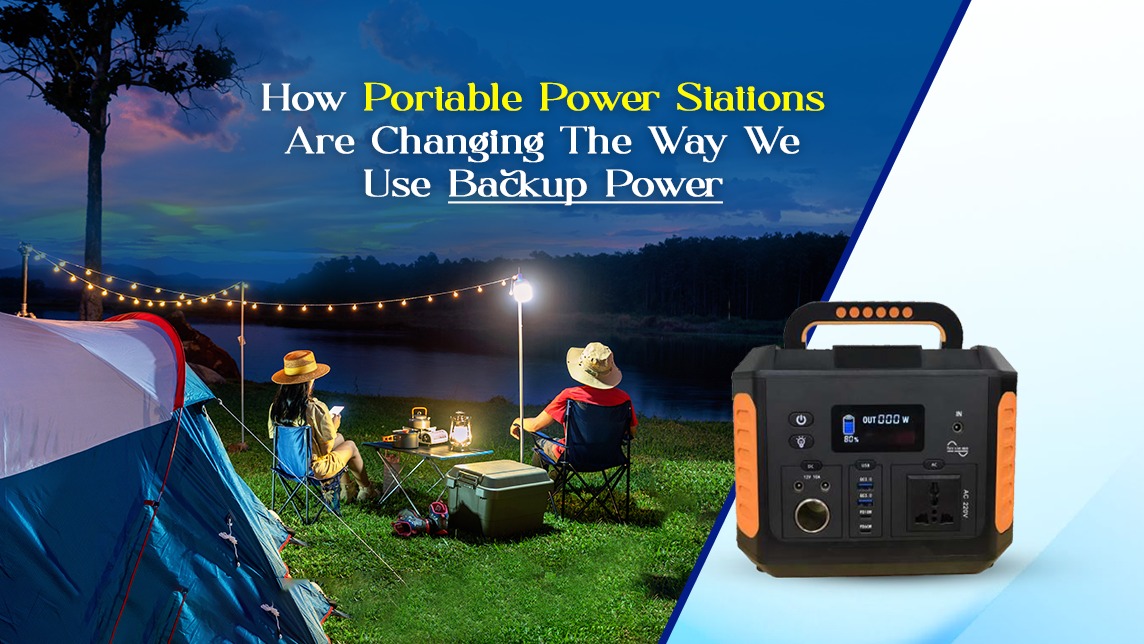
How Portable Power Stations Are Changing The Way We Use Backup Power

Power backup used to be simple.

One inverter at home. One battery in the corner. Lights and fans running during a power cut.

But now the need is different.

Your laptop may need charging during work. Wi-Fi may go down during a meeting. A shop may need its QR scanner or billing device. Someone travelling may need power for a phone, camera, light, or small appliance. And sometimes, the problem is very basic: there is no socket where you need one.

That is where a Portable Power Station becomes useful.

It gives power that can move with you.

Not every backup system has to sit fixed near a wall. Sometimes you need something you can charge, carry, and use wherever the work is happening.

Backup That Does Not Stay In One Place

A normal inverter setup is good for the house. It sits in one place and supports fixed loads.

But a portable power station works differently.

You can use it during travel, outdoor work, camping, small events, shop use, or emergency power cuts. It can support phones, laptops, lights, routers, cameras, and small devices, depending on the model capacity.

This is not the same as a small power bank.

A power bank mostly saves your phone. A portable power station can support bigger needs.

For example, if power goes off during office work, you may only need Wi-Fi and laptop charging for a few hours. A full inverter setup may not be needed there. A portable unit can handle that kind of situation better.

Yukinova offers portable power options for people who need backup that is easy to move and use.

Where It Beats A Fixed Backup Setup

Fixed backup has its place. No doubt.

If you want to run home lights, fans, and basic appliances during regular power cuts, a Lithium Ion Battery for Inverter makes more sense. It stays connected to the inverter and supports the home setup.

But what if the power need keeps changing?

Today you need backup in your room. Tomorrow you need it at the shop. On the weekend, maybe you need it while travelling. A fixed inverter cannot follow you.

A portable power station can.

That is the real value. Not just battery capacity. Movement.

Yukinova provides both portable power and lithium inverter battery solutions, so the right choice depends on how you use power in daily life.

Do Not Buy Only By Big Numbers

Many people see wattage and battery size first.

That is fine, but it is not enough.

Check what you actually want to run. A phone, laptop, and router need less power. A fan, light, or small appliance needs more. Also check ports, charging time, weight, safety, and whether solar charging matters for you.

Buying too small will disappoint you.

Buying too big may waste money.

The right unit is the one that fits your actual use.

Final Thoughts

Portable power stations are useful because power needs are no longer fixed.

Work moves. Travel happens. Shops need small backup. Homes need emergency support. Outdoor users need power where sockets are not available.

For fixed home backup, a lithium inverter battery is still the better choice.

But for backup that moves with you, a portable power station is the practical option.

FAQs

1. What Is A Portable Power Station?

It is a rechargeable power unit that can run or charge devices without a wall socket.

2. Can I Use It During Power Cuts?

Yes. You can use it for phones, lights, laptops, routers, and small devices.

3. Is It The Same As A Lithium Ion Battery For Inverter?

No. An inverter battery stays fixed. A portable power station can move with you.

4. Who Should Use A Portable Power Station?

Travellers, shop owners, students, outdoor workers, campers, and people needing emergency backup.5. What Should I Check Before Buying?

Check capacity, ports, charging time, weight, safety, and the devices you want to run.