Why Your Lithium Battery for Inverter Backup Might Not Actually Be Failing

We get this call a lot: “My battery is only two years old and it’s already dying.” Someone bought a Lithium Battery for Inverter expecting years of solid backup, and now it’s cutting out an hour earlier than it used to. Nine times out of ten, when we actually go through their setup with them, the battery is fine. It’s just never getting a full charge before the next outage hits.

It’s an easy thing to miss because nothing about it looks like a fault. There’s no error code, no warning light. The battery just quietly gives you less each week.

What’s Actually Happening

Say your area gets a two-hour outage most evenings. The battery handles it without breaking a sweat — lights, fans, the router, no problem. Power comes back for an hour, maybe less, before it goes out again. Problem is, that battery needed close to two hours to recover what it just spent, not one.

So it goes into the next outage already down. Do that every day for a couple of weeks and the shortfall adds up. First you notice the backup ends ten minutes sooner than usual. Then it’s the low-battery alarm going off while you’re in the middle of something. Eventually someone in the house is turning off a fan just to keep the Wi-Fi alive a bit longer, and everyone assumes the battery is wearing out.

It’s not. It just never got caught up.

Partial Charging Isn’t the Villain Here

People sometimes worry that charging a lithium battery partway and unplugging it repeatedly will wreck it. It won’t. Lithium cells are actually pretty forgiving about partial cycles — you don’t need to hit 100% every time.

What matters is whether the charge it does get is enough for what’s coming next. Two hours of discharge followed by forty minutes of recharge isn’t a partial-charging issue, it’s a math problem. The battery is being asked to give more than the system is giving back.

Worth noting: some batteries balance their cells near the top of the charge curve, and that behavior is entirely down to the BMS and how the manufacturer designed it. If you’re not sure what your system does, check the manual rather than guess.

Half the Time, It’s the Charger

We had a customer last year convinced his brand-new battery was defective — backup kept getting worse week over week. Turned out the charger connected to his inverter was undersized for the battery’s actual capacity. It was “charging,” technically, just far too slowly to keep up with how much he was using it.

That’s more common than people think. Before you write off the battery itself, it’s worth actually looking at the charger’s voltage and current output, the condition of the terminals and cables (loose or corroded connections quietly rob you of charging current), the inverter’s charge settings, and — this is the one people skip — how much time the battery genuinely gets to charge before the power drops again.

Why Short, Frequent Cuts Are Worse Than One Long One

This surprises people: three 40-minute outages in a day are harder on your backup than one three-hour outage. After a long cut, the grid usually stays stable for hours afterward, giving the battery a real chance to catch up. With short, repeated cuts, you might only get 30-60 minutes of stable power between them — never quite enough.

The inverter will happily tell you it’s “charging” during that window. It just doesn’t tell you it hasn’t finished the job. Same principle applies whether it’s a home backup unit or a larger energy storage system battery running a shop or office — if the load consistently outpaces what’s coming back in through the grid or solar, it starts every cycle a step behind.

Don’t Judge It Off One Bad Night

Here’s the thing about incomplete charging — it never announces itself. There’s no single outage where the battery suddenly “breaks.” It’s a slow bleed: partial charge in, full discharge out, repeat, each cycle starting a little lower than the last.

So if backup felt weak last night, that one outage doesn’t tell you much on its own. What matters is the pattern over the last week or two — how often the power’s been cutting, how long it stayed up in between, and what you had running during that time.

A Bigger Price Tag Doesn’t Fix This

We talk to a lot of people comparing inverter battery price before anything else, and look, price does matter — better cells, better safety features, longer warranty, all of that’s real. But none of it solves a charger that’s too weak or an inverter that’s cutting the charge cycle short. We’ve seen premium batteries underperform cheaper ones simply because the rest of the setup wasn’t right for them.

If you’re comparing options, look at the whole picture — battery, charger, inverter, and your actual outage pattern — not just the number on the price tag. A bigger battery won’t help if nothing around it can charge it properly.

What Actually Helps

Start by just watching your own power pattern for a week or two — how long outages last, how long the gaps between them are. Then match that against what your battery, charger, and connected load can realistically handle.

If there’s a clear mismatch, a few things usually help: cutting non-essential loads during outages, correcting the inverter’s charge settings, checking terminals and cables for wear, confirming the charger is actually rated for that battery, and — if your system supports it — pulling BMS data to see what’s really going on inside.

Don’t swap out the charger or inverter just because something feels off, though. Confirm the mismatch first. If backup has dropped suddenly and sharply, that’s worth a proper look across the whole system rather than assuming the battery’s had it.

How We Think About It at Yukinova

Before we recommend anything, we want to know the actual use case. A home dealing with one predictable evening outage needs a completely different setup than a shop getting hit with short cuts all day. The charger, inverter, connected load, and recovery time between outages all have to work as a system — that’s true whether it’s a small home battery or a full energy storage system for a commercial site.

A battery’s only job, really, is to give back what it took in before the next time it’s needed. Everything else is details.

Bottom Line

If your lithium battery for inverter backup feels like it’s fading, don’t assume it’s dying — check whether it’s actually getting the time and conditions to recharge fully first. More often than not, that’s the real story, not battery wear.

FAQs

  1. Does partial charging damage the battery?
    No, not on its own. The issue is when the partial charge it gets isn’t enough to cover the next discharge — that’s a system problem, not a battery flaw.
  2. Why does backup keep getting worse during frequent cuts?
    Because the battery isn’t getting enough time between outages to fully recover, so each one starts a bit lower than the last.
  3. Could the charger be the real problem?
    Very possibly — it’s one of the first things we check. Wrong voltage or current for the battery leads to slow, incomplete charging even though everything looks “on” and working.
  4. Does paying more guarantee better backup?
    Not by itself. We’ve seen expensive batteries underperform because of a mismatched charger or bad inverter settings — the price tag only covers part of the equation.
  5. Can a commercial energy storage system run into the same issue?
    Yes, and honestly it’s more common there — if daily usage regularly outpaces what solar or grid charging puts back, it’s the exact same problem at a bigger scale.
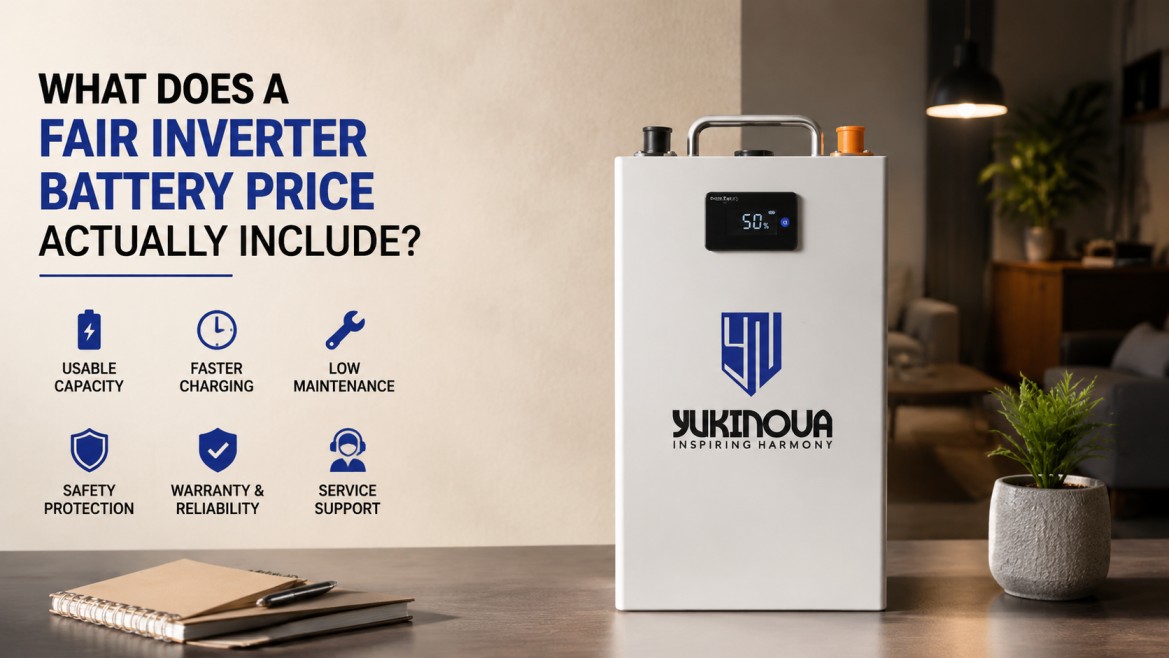
What Does A Fair Inverter Battery Price Actually Include?

All purchasers start with the same question: “What is the Inverter Battery Price?” This is a good question to ask. However, the price quoted on the paper does not say everything.

Even if two batteries are comparable in capacity, size, and warranty period, they are likely to be different when it comes to their true value. One battery will perform better and be cheaper to maintain while the other will be cheaper initially but more expensive down the road.

Therefore, an appropriate Inverter Battery Price should be determined by the services it provides over its entire lifetime rather than just its initial price.

Capacity On The Label Is Only The Starting Point

Capacity of the battery is generally the first factor people compare. But, just Ah does not give an idea about how much backup will be actually available. Factors like the load connected, state of the battery, charging process, inverter efficiency, and energy that the battery can utilize are also important.

For instance, the battery may have high capacity. However, if it is not capable of handling repeated deep discharge cycles, its backup capacity may start to deteriorate faster than anticipated. Therefore, while considering the Inverter Battery Price, performance under normal usage conditions should also be taken into account.

Charging Time Affects Daily Convenience

Charging speed is more important where power interruptions occur often.

If a battery charges slowly, chances are that the battery is yet to charge fully before another power interruption occurs. This implies that users end up with less standby time despite having a high-capacity battery. Lithium battery for inverters can be a good option for users who require batteries that charge quickly.

However, charging capabilities depend on the compatibility of the components involved. It is important that both the inverter and the battery are compatible. Otherwise, a fast charging battery will fail to offer maximum benefits. It is for this reason that a reasonable Inverter Battery Price also considers the advantage of reduced charging time.

Maintenance Has A Cost Too

The price paid for the battery is not the only cost associated with its ownership. There are batteries that require frequent inspection, testing of their liquid contents, cleaning of terminals, and ventilation. These procedures may appear trivial at first sight, yet they do take time and might lead to certain expenses through the years of battery operation.

Inverter battery based on lithium technology requires less maintenance than many other batteries. It can make the process of owning the battery easier for homes, office buildings, stores, and any other commercial establishments. The initial cost may be larger in certain cases. But low maintenance costs may increase its total value.

Battery Life Changes The Real Cost

If a single battery is cheaper but has to be replaced sooner, the other one will cost more but function effectively for a longer time. The lower cost may turn out to be more expensive in the end. 

Several factors determine the battery’s lifespan, among others:

  • Cell or plate quality
  • Charging pattern
  • Depth of discharge
  • Operating temperature
  • Daily load
  • Build quality
  • Usage habits

Reliable lithium battery manufacturers in India focus on these points because long-term performance depends on more than battery capacity.

A fair Inverter Battery Price should reflect how long the battery can support the user under normal operating conditions.

Safety Should Never Be Treated As An Extra

Safety is an inherent aspect of the battery value. A good battery should be able to provide safe charging, cooling, voltages, and discharge. In the case of lithium batteries, an efficient Battery Management System becomes indispensable.

Safety will decrease hazards related to overcharging, deep discharging, short circuits, and temperature variations.

The cheaper option might look appealing, however, the cost savings must not come on the account of safety systems. Make sure you understand which safety measures are used by the battery manufacturer and how the testing of the product is done.

Warranty Terms Matter More Than Warranty Numbers

A warranty that goes on for a long time sounds very good indeed.

But buyers need to know what the warranty entails. They need to find out whether it involves full replacement, pro-rata replacement, services, and any conditions involved in claiming. They must also know the paperwork involved and whether any local help will be provided.

The buyer can get better value from a more expensive battery with a clearer warranty process than an inexpensive one with complicated warranty terms. This is the philosophy at Yukinova.

Service Support Adds Real Value

Even a quality battery might require inspection someday. The consumer may encounter situations such as poor back-up capability, slow charging, loose wiring, wrong charger, and overloading. In such situations, the correct diagnosis becomes necessary.

Without any help, the consumer will either end up changing his good battery or will keep on using his bad charging arrangement. It also saves him time and money.

That is why it becomes important for consumers to check the brand and after-sales services along with the comparison of Inverter Battery Price.

The Cheapest Battery Is Not Always The Best Deal

Price matters, but value matters more.

A fair Inverter Battery Price should include:

  • Suitable usable capacity
  • Stable backup
  • Reasonable charging time
  • Low maintenance needs
  • Strong safety protection
  • Clear warranty terms
  • Reliable service support
  • Practical battery life

At Yukinova, we focus on complete power solutions rather than price alone. The right battery should match the user’s load, backup need, charging time, and daily power-cut pattern.

That is how buyers get real value from their investment.

Final Thoughts

An inverter battery’s cost should not just be determined based on the price. There are other factors that determine the actual cost including the time taken to charge it, the amount of maintenance required, safety, frequency of replacement, warranty and services offered.

Before selecting an inverter battery at the lowest cost, consider what you will gain from it through its lifetime. An inverter battery that costs a little extra may offer many benefits in the long run.

Frequently Asked Questions

1. What Factors Affect Inverter Battery Price?

Battery type, capacity, build quality, charging technology, safety features, warranty, service support, and expected battery life all affect the price.

2. Is A Lithium Battery For Inverter Use More Expensive?

It may have a higher initial cost than some traditional batteries. However, faster charging, lower maintenance, and longer usable life may improve its overall value.

3. Does A Higher Ah Rating Always Mean Better Backup?

No. Backup also depends on connected load, battery health, inverter efficiency, charging quality, and how deeply the battery is discharged.

4. Why Do Similar-Capacity Batteries Have Different Prices?

The difference may come from internal build quality, safety protection, cell or plate design, warranty terms, testing, and after-sales support.

5. What Should I Check Before Comparing Inverter Battery Prices?

Check the battery type, usable capacity, charging time, maintenance needs, warranty conditions, safety features, and service availability.

6. How Do Reliable Lithium Battery Manufacturers In India Add Value?

Reliable manufacturers focus on product testing, battery protection, charger compatibility, quality control, warranty support, and long-term performance.

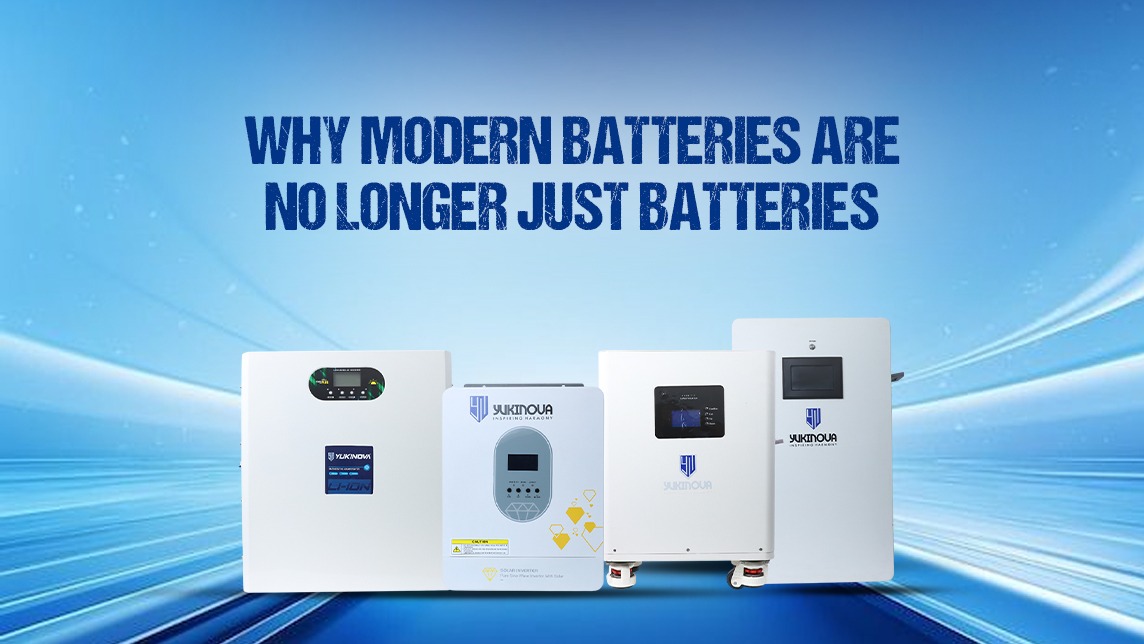
Why Modern Batteries Are No Longer Just Batteries

A few years ago, most people saw a battery as a simple backup product.

The main question was clear.

Will it run the inverter during a power cut?

Can it start the vehicle in the morning?

That was enough for many users.

Today, the story is different. A battery now supports homes, shops, electric vehicles, solar systems, and portable power needs. It does more than store energy.

This is why modern Lithium Ion Batteries have become smarter and more useful. They charge faster, need less care, and support better performance in daily use.

At Yukinova, we see this change closely. Users now want power solutions that are safe, efficient, and easy to depend on.

Old Battery Problems Are No Longer Acceptable

Earlier, users accepted many battery issues as normal.

Slow charging was common. Heavy weight was expected. Regular maintenance was part of ownership. Heating and backup loss were also ignored for a long time.

But users now expect more.

A home needs stable backup. A shop needs power for billing, lights, and internet. An EV user needs better range. A solar user needs proper energy storage.

So, the battery has to work better.

Traditional batteries still have their place. However, many users now prefer lower maintenance, faster charging, and better energy use. This is where Lithium Battery Technology becomes important.

Why Lithium Batteries Changed The Market

Lithium batteries changed the way people think about backup power.

They are lighter than many older battery types. They also charge faster. In addition, they give better usable power when selected properly.

Because of this, Lithium Ion Batteries are now used in many areas. You can find them in inverters, electric scooters, e-rickshaws, portable power stations, and energy storage systems.

A Lithium Ion Battery for Inverter is also becoming a practical choice for modern homes and shops. It helps users get steady backup with less routine care.

This makes lithium batteries useful for people who want power without daily trouble.

Smart Batteries Need Smart Control

Modern batteries do not depend only on cells.

They also need control and protection.

That is where a Battery Management System plays an important role. It checks the battery’s charging, voltage, temperature, and health.

This system helps protect the battery from common risks. These include overcharging, deep discharge, overheating, and voltage imbalance.

As a result, the battery works in a safer and more stable way.

This is a major change in battery design. Users do not want backup only. They also want safety, control, and longer life.

Electric Mobility Needs Better Batteries

Electric mobility is growing in India.

Electric scooters, e-rickshaws, and three-wheelers depend heavily on battery quality. A weak battery can reduce range. It can also increase charging breaks and downtime.

For a rider, this creates stress.

For an e-rickshaw driver, it can reduce daily income.

So, EV batteries need strong design and better protection. A reliable Lithium Ion Battery Manufacturer in India has to focus on real use, not only battery size.

At Yukinova, we build battery solutions for practical needs. These needs include inverter backup, EV use, and energy storage.

Inverter Backup Is Also Changing

Power backup is no longer only about fans and lights.

Today, users also need Wi-Fi, mobile charging, laptops, CCTV, billing machines, and small appliances during power cuts.

So, inverter batteries must also improve.

A Lithium Ion Battery for Inverter can support these needs better. It offers faster charging, better efficiency, and lower maintenance.

This makes it useful for homes, offices, shops, and small businesses.

Also, when the battery works with a strong Battery Management System, the user gets better safety and more stable backup.

The Future Will Be Smarter

The future of batteries will not depend only on storage capacity.

It will also depend on smart features.

Battery systems will give better alerts. They will support remote monitoring. They will also help users check battery health before a major problem starts.

This will reduce guesswork.

Users will not have to wait for backup failure to know something is wrong. Instead, smart systems will help them act early.

This is the direction of Lithium Battery Technology.

Final Thoughts

Batteries are no longer simple power storage units.

They now support mobility, home backup, solar power, and smart energy use. They charge faster and work with better control.

With the help of a good Battery Management System, Lithium Ion Batteries can deliver safer and more reliable performance.

As a Lithium Ion Battery Manufacturer in India, Yukinova focuses on battery solutions for today’s power needs.

Because users no longer want a battery that only stores power.

They want a battery that works smartly, safely, and reliably.

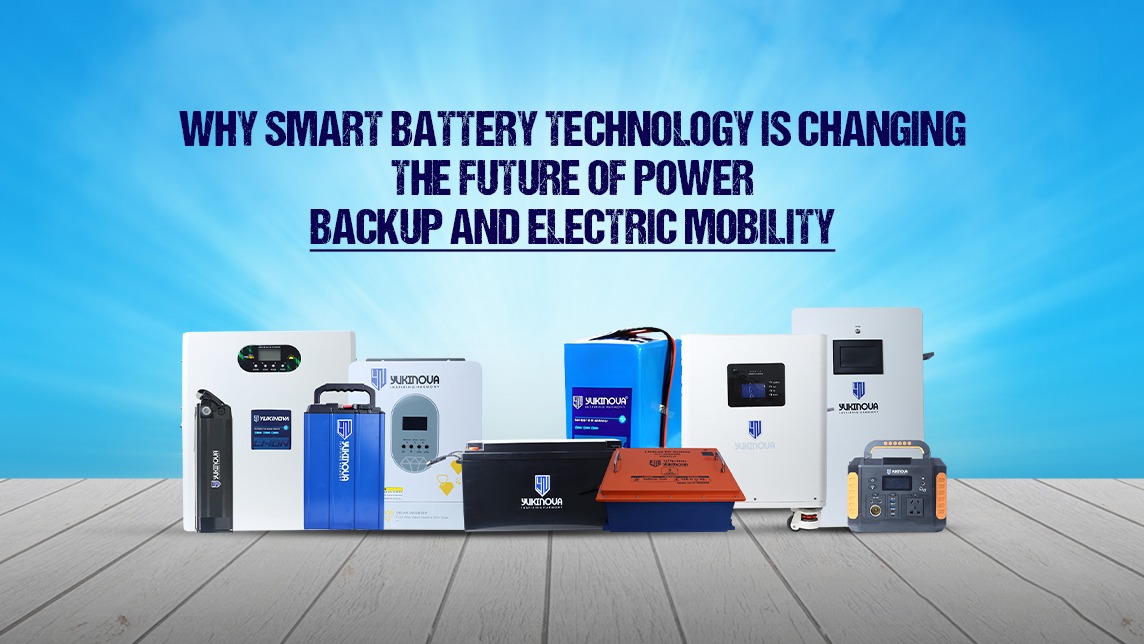
Why Smart Battery Technology Is Changing the Future of Power Backup and Electric Mobility

Advances in battery technology have been taking place very rapidly. Just a few years back, customers were primarily concerned about battery life and their recharge speed. However, today, all these expectations have dramatically changed, and people expect their batteries to be smart, secure, fast, and reliable. This change in expectations will inevitably propel the lithium battery manufacturing sector towards a new technology paradigm that can be referred to as smart battery technology.

In whatever form the modern Lithium Ion Battery takes – be it for an electric scooter, an inverter setup, a portable power station, or even a commercial electric vehicle, this type of a battery no longer represents just an energy reservoir. These batteries are becoming smart units that not only monitor themselves but also optimize power consumption and ensure greater safety.

The Problem with Traditional Battery Systems

Conventional battery systems function quite simply. They accumulate power, provide power supply, and wear out gradually. Most consumers tend to take note of battery problems only when backup has been severely reduced, or the battery fails to function entirely.

This problem causes many difficulties to users. The charge is not always stable, its performance reduces, and it requires additional investments for maintenance. In case of using the battery in commercial purposes, such as e-rickshaws and delivery trucks, failure of the battery directly affects income level.

The outdated batteries have poor cooling capacities, and their charges are also suboptimal. Excessive heating and incorrect charging considerably decrease the battery life cycle. However, modern lithium battery systems solve the problem effectively.

What Makes a Battery “Smart”?

Battery management technology revolves around the efficiency and control of energy inside a battery. Lithium batteries have state-of-the-art BMS that constantly track the status of a battery, the battery voltage, the temperature, the charging process, and even its performance levels.

Not only does this technology help maintain the battery by protecting it from damage, but it also helps to make it operate more efficiently.

A battery automatically controls its charging rate, voltage balance, and overheating when used heavily. This makes for not only a safer battery operation but also greatly extends the battery’s lifespan.

Why This Technology Matters for Electric Vehicles

The advent of electric vehicles is one of the key reasons behind the need for smart battery systems. The functioning of such vehicles as electric scooters, e-rickshaws, and three-wheelers depends upon battery efficiency. Any inefficiency, no matter how slight, can have a negative impact on the range of the vehicle as well as its overall productivity.

Modern battery systems that use lithium ions contribute to maintaining stability in power supply even when vehicles operate for prolonged periods of time. It also leads to increased efficiency in charging, thus reducing the amount of time necessary for charging.

For commercial vehicles, this becomes crucial since any down-time means lost money.

Smart Batteries Are Also Improving Power Backup Systems

It should be noted that smart battery technology affects not only electric cars but also inverter technology and power stations.

In today’s world, customers demand uninterruptible back-up, quick charge rates, and higher energy efficiency even during power shortages. Regular batteries tend to perform poorly during high loads. However, due to improved distribution of energy and continuous battery condition monitoring, the problem can be solved with a smart lithium battery.

As solar energy becomes more popular, smart battery systems become essential in solar energy storage.

Safety Is Becoming a Major Priority

Another major benefit of having advanced lithium battery systems is that they ensure high levels of safety. In previous energy storage systems, battery overheating, overcharging, and short circuits were among the major problems. The Advanced Battery Management System has been invented precisely for such purposes. The system checks the performance of the battery and reacts to any abnormal situation.

This will not only increase the safety of the system but will also protect the battery from any damage. Safety, in today’s world, is no longer a luxury but a necessity while buying batteries-operated products.

The Future of Battery Technology

For the development of battery technology in the future, it is not going to be just about the capacity and speed.

Intelligent and automated systems are equally relevant for future battery technology.

In the coming time, intelligent battery systems will feature battery tracking, prediction alerts, and energy optimization using artificial intelligence.

People are going to have intelligent energy ecosystems that can connect devices and automate the process of energy optimization.

Conclusion

Innovative technologies of batteries are making a revolution in the modern energy sector. Intelligent battery systems with lithium are already being applied in a variety of areas starting from electric transport to inverters. Advanced technologies of intelligent lithium batteries will play an indispensable role in energy industry of the future.

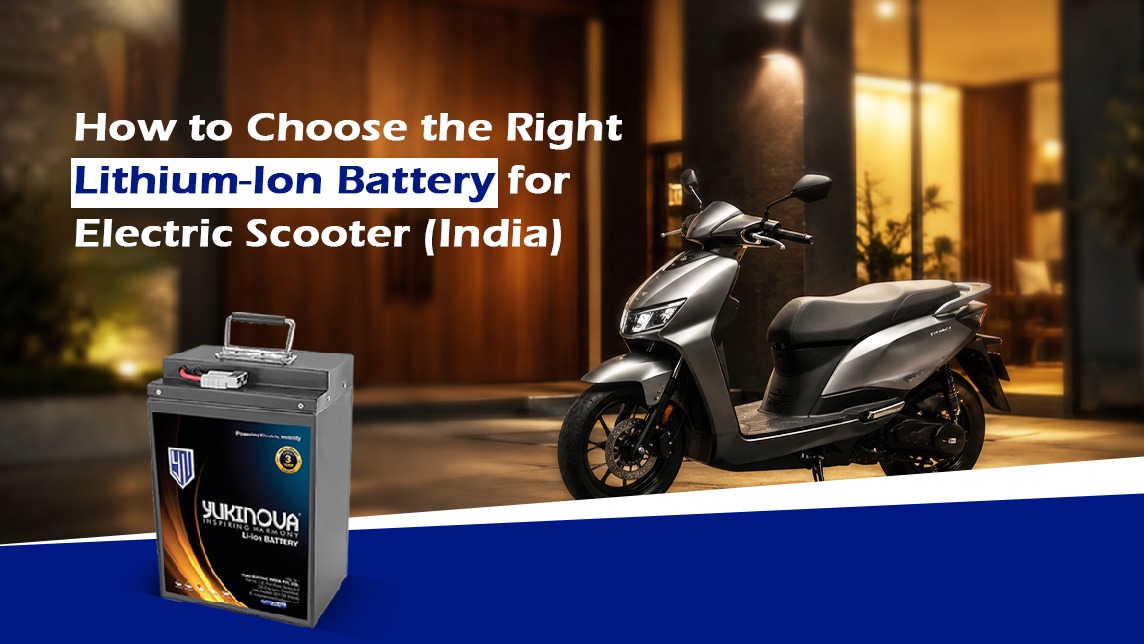
How to Choose the Right Lithium-Ion Battery for Electric Scooter (India)

Choosing the right lithium ion battery for electric scooter setups doesn’t have to be confusing, even though it looks that way at first. Spec sheets can make everything feel technical, but when you’re actually riding every day, only a few things really matter.

You usually don’t think much about the battery until something goes wrong. Like when the scooter starts losing power in traffic or struggles a bit on longer routes. That’s when it becomes obvious what actually matters and what doesn’t.

In this guide by Yukinova, you will be a more educated in the matter of choosing proper batteries.

Why Lithium-Ion Is the Better Choice

When selecting a lithium ion battery for electric scooter, it’s generally better to avoid older lead-acid options. They seem cheaper at first, sure, but that advantage doesn’t last very long.

They’re heavier, for one. And over time, you’ll notice the performance dropping—sometimes faster than you’d expect.

Lithium-ion batteries feel different in day-to-day use. The scooter feels lighter, more responsive, especially in stop-start traffic. It’s not a dramatic change instantly, but over a few days, you start noticing it.

Understanding Voltage and Capacity

For any lithium ion battery for electric scooter setup, matching the specifications is important. There’s not really a workaround here.

Voltage (V) affects how the scooter behaves, especially when you accelerate. If it’s not within the right range, things just don’t feel smooth.

Capacity (Ah or Wh) is what determines how far you can go. But real-world range is almost always lower than what’s advertised. Traffic, braking, road conditions—it all adds up.

So in most cases, going slightly above your minimum requirement makes sense. It just gives you a bit of breathing room.

Choosing the Right Size

A bigger battery might seem like a straightforward upgrade. More capacity, more range—that’s the assumption.

But it doesn’t always work out that way.

Extra weight can make the scooter feel awkward, especially when you’re parking or moving it around manually. In daily use, that becomes noticeable pretty quickly.

For shorter commutes, a balanced setup usually feels better than just going for the biggest option available.

Performance Under Load

This is something people often don’t think about in the beginning.

A lithium ion battery for electric scooter might look good on paper, but what matters is how it performs under load. Situations like climbing a flyover, carrying someone with you, or even quick acceleration in traffic.

That’s where weaker batteries start showing their limits.

If the power delivery isn’t steady, the scooter feels underpowered—even if the charge is full. That’s why discharge capability matters more than it seems at first.

Compatibility

Before buying a lithium ion battery for electric scooter, it’s worth taking a few minutes to check if everything lines up properly.

Things like:

  • Physical dimensions
  • Connector type
  • Mounting alignment

Even a small mismatch can turn into a headache later. Temporary fixes usually don’t stay temporary.

Heat Management and Safety

Heat is one of those things people ignore until it becomes a problem.

In Indian conditions, especially during summer, batteries go through a lot—slow traffic, long rides, direct sunlight. All of it adds stress.

A proper Battery Management System (BMS) helps here. It handles things like overheating, overcharging, and short circuits in the background. You don’t really notice it working, but it makes a difference.

Why Cell Quality Matters

Not all batteries age the same way.

Some hold their performance well even after months of use. Others start dropping off gradually—less range, less consistency. It’s not always obvious at first, but it shows up over time. 

That’s usually down to cell quality. Better cells just tend to stay reliable for longer.

Purchasing from reliable brands like Yukinova ensures proper performance and long term reliability.

What to Expect After Installation

Once you install a new lithium ion battery for electric scooter, the difference doesn’t hit you instantly.

It shows up over a few rides.

You start noticing how far it goes in your regular routine, how it behaves in traffic, whether the power feels consistent or not. Those small things give a clearer picture than any spec sheet.

Final Thoughts

The best lithium ion battery for electric scooter isn’t necessarily the one with the highest numbers.

It’s the one that fits how you actually use your scooter.

If it’s reliable, gives you enough range, and doesn’t feel inconsistent in daily riding, that’s what really matters. Everything else is secondary.

And when in doubt you can always reach out to our distributors and they will guide you even more thoroughly.

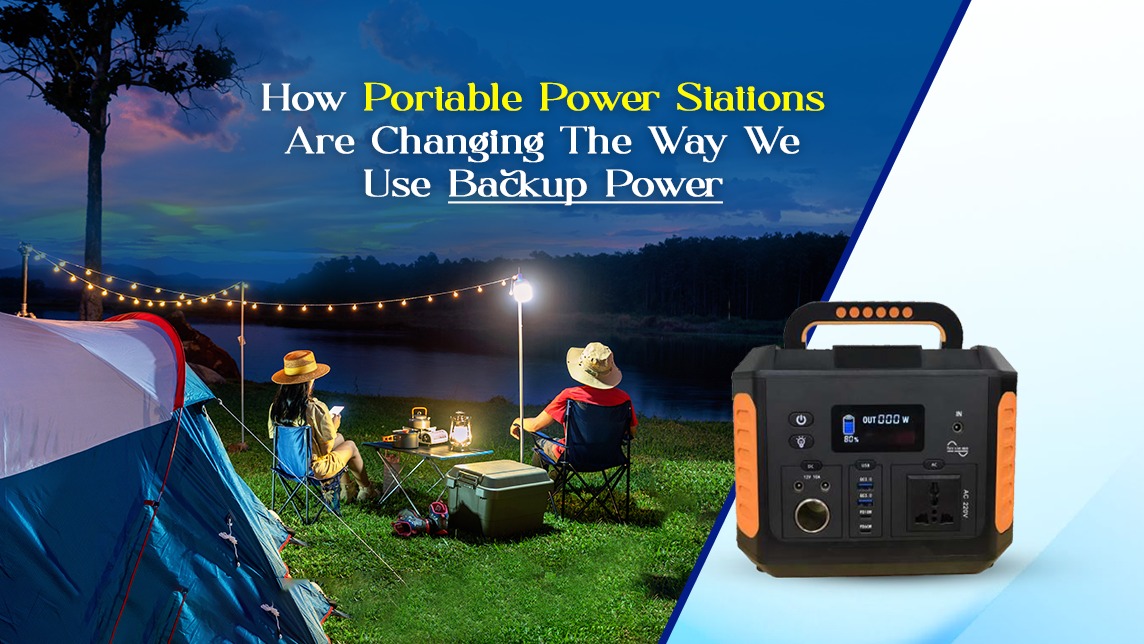
How Portable Power Stations Are Changing The Way We Use Backup Power

Power backup used to be simple.

One inverter at home. One battery in the corner. Lights and fans running during a power cut.

But now the need is different.

Your laptop may need charging during work. Wi-Fi may go down during a meeting. A shop may need its QR scanner or billing device. Someone travelling may need power for a phone, camera, light, or small appliance. And sometimes, the problem is very basic: there is no socket where you need one.

That is where a Portable Power Station becomes useful.

It gives power that can move with you.

Not every backup system has to sit fixed near a wall. Sometimes you need something you can charge, carry, and use wherever the work is happening.

Backup That Does Not Stay In One Place

A normal inverter setup is good for the house. It sits in one place and supports fixed loads.

But a portable power station works differently.

You can use it during travel, outdoor work, camping, small events, shop use, or emergency power cuts. It can support phones, laptops, lights, routers, cameras, and small devices, depending on the model capacity.

This is not the same as a small power bank.

A power bank mostly saves your phone. A portable power station can support bigger needs.

For example, if power goes off during office work, you may only need Wi-Fi and laptop charging for a few hours. A full inverter setup may not be needed there. A portable unit can handle that kind of situation better.

Yukinova offers portable power options for people who need backup that is easy to move and use.

Where It Beats A Fixed Backup Setup

Fixed backup has its place. No doubt.

If you want to run home lights, fans, and basic appliances during regular power cuts, a Lithium Ion Battery for Inverter makes more sense. It stays connected to the inverter and supports the home setup.

But what if the power need keeps changing?

Today you need backup in your room. Tomorrow you need it at the shop. On the weekend, maybe you need it while travelling. A fixed inverter cannot follow you.

A portable power station can.

That is the real value. Not just battery capacity. Movement.

Yukinova provides both portable power and lithium inverter battery solutions, so the right choice depends on how you use power in daily life.

Do Not Buy Only By Big Numbers

Many people see wattage and battery size first.

That is fine, but it is not enough.

Check what you actually want to run. A phone, laptop, and router need less power. A fan, light, or small appliance needs more. Also check ports, charging time, weight, safety, and whether solar charging matters for you.

Buying too small will disappoint you.

Buying too big may waste money.

The right unit is the one that fits your actual use.

Final Thoughts

Portable power stations are useful because power needs are no longer fixed.

Work moves. Travel happens. Shops need small backup. Homes need emergency support. Outdoor users need power where sockets are not available.

For fixed home backup, a lithium inverter battery is still the better choice.

But for backup that moves with you, a portable power station is the practical option.

FAQs

1. What Is A Portable Power Station?

It is a rechargeable power unit that can run or charge devices without a wall socket.

2. Can I Use It During Power Cuts?

Yes. You can use it for phones, lights, laptops, routers, and small devices.

3. Is It The Same As A Lithium Ion Battery For Inverter?

No. An inverter battery stays fixed. A portable power station can move with you.

4. Who Should Use A Portable Power Station?

Travellers, shop owners, students, outdoor workers, campers, and people needing emergency backup.5. What Should I Check Before Buying?

Check capacity, ports, charging time, weight, safety, and the devices you want to run.

What Most Scooty Riders Ignore About Their Battery—But Shouldn’t!

For most scooty riders, the battery is just a hidden component that comes to mind only when the vehicle fails to start. But did you know that overlooking your scooty battery could cost you more than just a delayed ride? Many riders ignore early warning signs, maintenance routines, and battery health—mistakes that can lead to frequent breakdowns and unexpected expenses.

At Yukinova, a trusted Scooty Battery Manufacturer in UP, we believe riders deserve better performance, safety, and reliability from their scooters—and it all begins with the right battery knowledge.

The Silent Hero of Every Ride

Your scooty battery is responsible for powering everything from the ignition to lights, horn, and indicators. A weak or faulty battery doesn’t just affect the electric start—it compromises your overall riding experience. Many riders think that once the scooty starts, everything is fine. But the truth is, battery health can silently deteriorate over time, especially if neglected.

Common Things Riders Ignore

Battery Age
Most batteries have a lifespan of 2–3 years. If your battery is older than that and hasn’t been checked, it’s time for a replacement.

Irregular Scooty Usage
If you don’t use your scooty regularly, the battery slowly discharges. Without periodic charging or riding, the battery might die completely.

Warning Signs
Dim headlights, weak horn, delayed start—these are not just inconveniences. They are signs your battery needs attention.

Poor Quality Batteries
Choosing a cheap or low-quality battery can lead to repeated failures. Always opt for a reliable Scooty Battery Manufacturer in UP like Yukinova, known for durable and performance-driven batteries.

Why Yukinova Makes the Difference

As a leading Scooty Battery Manufacturer in UP, Yukinova focuses on innovation, quality, and affordability. Our batteries are designed to endure Indian weather, offer longer life cycles, and ensure quick ignition every time.

What sets Yukinova apart?

Advanced Lead-Acid Technology

High Cold Cranking Amps (CCA) for Easy Start

Low Maintenance & Spill-Proof Designs

Vibration-Resistant Build for Urban & Rural Roads

Every battery goes through stringent quality checks before reaching your scooty—because we believe in powering not just rides, but your everyday journeys.

Battery Maintenance Made Easy

Here’s how you can keep your scooty battery in top shape:

Start your scooty every 2–3 days, especially in winters.

Keep terminals clean and rust-free.

Get your battery checked every 6 months by a trusted dealer.

Choose batteries that come with warranty and after-sales support.

Final Word

Your scooty’s performance is only as good as its battery. Ignoring it means risking breakdowns, higher expenses, and a lot of unnecessary stress. Don’t wait for your scooty to give up—choose a reliable battery before it’s too late.Trust Yukinova, the preferred Scooty Battery Manufacturer in UP, to keep your rides smooth, safe, and hassle-free.

Understanding Depth of Discharge in Lithium-Ion Batteries

In the world of energy storage, lithium-ion batteries are a popular choice due to their efficiency, reliability, and relatively long lifespan. However, one key aspect that affects their performance and longevity is the Depth of Discharge (DoD). As a Lithium-ion Battery Manufacturer in U.P., Yukinova understands the significance of this factor and strives to design batteries that offer optimal DoD, ensuring both performance and durability.

What is Depth of Discharge?

Depth of Discharge (DoD) refers to the percentage of a battery’s total capacity that has been used during its discharge cycle. For instance, if a lithium-ion battery has a total capacity of 100Ah and 40Ah has been consumed, the DoD would be 40%. The more deeply a battery is discharged, the higher the DoD, which impacts the battery’s overall health and lifespan.

A key point to remember is that the more frequently a battery is discharged to a deeper level, the shorter its lifespan will be. Conversely, moderate discharges can help prolong the life of a battery. A good understanding of DoD can help users maximize battery efficiency and make informed decisions about energy storage, particularly in systems like solar energy storage or electric vehicles.

The Role of Depth of Discharge in Battery Performance

The performance of lithium-ion batteries is significantly influenced by DoD. Batteries with a high DoD, i.e., those that are frequently discharged to near-zero levels, tend to experience quicker degradation, resulting in a decrease in their overall capacity. On the other hand, batteries that are kept at a moderate DoD generally last longer, maintaining their capacity for a longer period of time.

As a Lithium-ion Battery Manufacturer in U.P., Yukinova recognizes the importance of maintaining a balanced DoD to ensure that their batteries offer peak performance and longevity. To accomplish this, the company designs batteries with a built-in system that helps manage DoD, preventing deep discharges and optimizing performance.

The Importance of Managing Depth of Discharge

There are several reasons why managing DoD is essential for the efficiency and lifespan of lithium-ion batteries:

1. Prolonged Lifespan: Frequent deep discharges (100% DoD) can cause a significant decline in the battery’s lifespan. By limiting DoD to 70-80%, the battery is less likely to experience wear and tear, ensuring it performs optimally for longer.

2. Energy Efficiency: A lower DoD means less energy is used from the battery before it is recharged. This reduces the overall power consumption and improves energy efficiency, which is particularly important for large-scale systems like electric vehicles or solar energy storage. Yukinova’s batteries are designed with an optimal DoD to help users save energy and reduce costs over time.

3. Battery Health and Safety: Over-discharging a lithium-ion battery can lead to issues like battery degradation, capacity loss, and even safety risks. By keeping the DoD within a safe range, the battery’s health is maintained, and risks are minimized. As a responsible Lithium-ion Battery Manufacturer in U.P., Yukinova incorporates advanced safety mechanisms to prevent deep discharges that could compromise the battery’s integrity.

How Yukinova Optimizes Depth of Discharge

Yukinova, as a Lithium-ion Battery Manufacturer in U.P., takes proactive steps to ensure that its batteries are engineered with optimal DoD management. Through advanced battery management systems (BMS), Yukinova’s lithium-ion batteries are able to monitor and control DoD during every charge and discharge cycle.

This means that Yukinova’s batteries will not allow deep discharges that could harm the battery, extending its useful life while maintaining efficiency. This level of control helps avoid over-stressing the battery, which is often a concern with more traditional energy storage solutions. Additionally, the BMS continuously tracks performance, providing real-time feedback that helps users understand how best to use their battery systems.

For example, in the case of electric vehicles (EVs), Yukinova’s batteries are designed to optimize DoD, providing enough power for daily commutes while preventing excessive strain on the battery. The same approach is applied to energy storage solutions for solar systems, where the battery is designed to perform efficiently while maintaining a balanced DoD for long-term use.

Best Practices for Managing Depth of Discharge

While Yukinova’s batteries are designed with an efficient DoD management system, users can also take steps to ensure that they are using their batteries in a way that maximizes performance and longevity:

1. Avoid Frequent Deep Discharges: Try to avoid discharging the battery completely. Keep the DoD below 80% for optimal results. Most battery systems, including those from Yukinova, function best when not discharged fully on a regular basis.

2. Regular Charging: Top off your battery regularly, even before it reaches a low charge level. This helps prevent deep discharges and ensures the battery operates within a safe and efficient range.

3. Monitor Battery Health: Many devices, especially electric vehicles, come with built-in monitoring systems to track battery health. These systems often provide DoD data, which can help users manage battery usage better.

4. Follow Manufacturer Guidelines: Always follow the manufacturer’s recommendations for DoD limits. As a trusted Lithium-ion Battery Manufacturer in U.P., Yukinova offers clear guidelines on maintaining optimal battery health and performance.

5. Avoid Overloading: Ensure that the battery is not constantly drained too quickly by large loads, which can lead to deeper discharges and faster degradation. Yukinova’s batteries are built to handle moderate to heavy loads, but careful management will always help.

Understanding and managing the Depth of Discharge in lithium-ion batteries is essential to maintaining their performance and extending their lifespan. Yukinova, a leading Lithium-ion Battery Manufacturer in U.P., has engineered its batteries with optimal DoD management systems that ensure users get the most out of their energy storage solutions. With a focus on safety, longevity, and efficiency, Yukinova is dedicated to helping users make the most of their lithium-ion batteries, ensuring peak performance for years to come.

Yukinova’s Newly Introduced ESS Batteries and Portable Batteries: A Game-Changer in Energy Storage

In today’s fast-evolving energy landscape, efficient energy storage systems (ESS) are more crucial than ever. As industries, businesses, and households look to optimize their energy consumption, the need for reliable and sustainable energy storage solutions has grown exponentially. Yuki Electricals, a leading Lithium-ion ESS Battery Manufacturer, proudly introduces its latest range of ESS batteries and portable batteries under the brand Yukinova, specifically designed to meet the needs of modern energy consumers.

Yukinova’s batteries represent a breakthrough in both technology and convenience, offering innovative solutions for residential, commercial, and portable energy needs.

1. The Rise of Lithium-ion ESS Batteries

Energy storage systems (ESS) are becoming an integral part of smart energy solutions, especially as renewable energy sources like solar and wind become more popular. ESS batteries help store surplus energy, ensuring continuous power supply even when production is low. As one of the leading Lithium-ion ESS battery manufacturers, Yuki Electricals is at the forefront of this transformation, developing advanced batteries that store energy efficiently and reliably.

Yukinova’s newly introduced ESS batteries are tailored to support a range of applications—from powering homes and businesses to supporting off-grid systems. With high energy density, quick recharge times, and long lifespans, these batteries are ideal for seamless energy management and uninterrupted power supply.

2. Features of Yukinova’s ESS Batteries

The newly launched ESS batteries by Yukinova offer several key features that make them stand out:

  • High Energy Efficiency: Yukinova’s ESS batteries provide superior energy retention, minimizing energy loss during storage and discharge.
  • Fast Charging: The lithium-ion technology ensures rapid charging cycles, allowing users to maximize energy availability.
  • Extended Lifespan: Designed with premium materials, these batteries offer longer life cycles compared to traditional batteries, making them a cost-effective energy storage solution.
  • Sustainable and Eco-Friendly: Yukinova batteries help reduce the carbon footprint by supporting renewable energy integration, such as solar or wind energy.

As a trusted Lithium-ion ESS battery manufacturer, Yuki Electricals ensures that every battery meets the highest standards of safety, efficiency, and reliability.

3. Portable Power with Yukinova’s New Battery Range

In addition to ESS batteries, Yukinova introduces a range of portable lithium-ion batteries for individuals on the move. These portable batteries are perfect for camping, travel, or emergency power needs, providing clean and silent energy without the hassle of fuel or maintenance.

  • Lightweight and Compact: Designed for mobility, Yukinova portable batteries are easy to carry and use wherever you go.
  • Versatile Applications: Whether charging devices, powering appliances, or supporting outdoor activities, these portable batteries deliver reliable power.
  • Quick Recharging: The batteries feature fast-charging technology, so you’re never left without power for too long.

Yukinova’s portable battery range brings convenience and energy independence to your fingertips, making them a must-have for modern consumers.

4. Why Choose Yuki Electricals?When selecting energy storage solutions, partnering with a trusted Lithium-ion ESS battery manufacturer is essential. Yuki Electricals has a legacy of producing high-quality batteries that meet global standards. With an emphasis on innovation, performance, and sustainability, Yukinova’s products are crafted to empower users with reliable energy solutions.

Conclusion

The newly introduced ESS batteries and portable batteries from Yukinova represent a significant leap forward in energy storage technology. Whether you’re managing energy at home, running a business, or looking for portable power on the go, Yukinova’s lithium-ion batteries are built to deliver superior performance.

Trust Yuki Electricals, a renowned Lithium-ion ESS battery manufacturer, for innovative energy solutions that are efficient, eco-friendly, and built for the future. Empower your energy journey with Yukinova today!

Self-Discharge Rates in Lithium-Ion Batteries: How They Affect Performance

Lithium-ion batteries are widely recognized for their efficiency, long life, and high energy density, making them the preferred choice for a variety of applications, from consumer electronics to electric vehicles and renewable energy storage systems. However, one critical aspect that significantly impacts their performance is the self-discharge rate. As a leading Lithium-Ion Battery Manufacturer, Yukinova understands the importance of self-discharge rates and their implications for battery performance and longevity.

What Is Self-Discharge?

Self-discharge refers to the phenomenon where a battery loses its charge over time, even when it is not connected to a load or charger. All batteries experience some level of self-discharge, but the rate at which it occurs can vary significantly among different types of batteries. For lithium-ion batteries, the self-discharge rate is generally low compared to other battery chemistries, such as nickel-cadmium or lead-acid batteries. However, even a small self-discharge can have implications for applications requiring reliable power sources.

Factors Influencing Self-Discharge Rates

Several factors influence the self-discharge rates in lithium-ion batteries:

Temperature: 

Higher temperatures can accelerate the chemical reactions inside the battery, increasing the self-discharge rate. Conversely, lower temperatures can slow down these reactions, reducing self-discharge. Manufacturers must carefully consider operating temperatures when designing and deploying lithium-ion batteries to maintain optimal performance.

State of Charge (SoC): 

The self-discharge rate can also vary depending on the battery’s state of charge. Batteries stored at a higher state of charge typically experience higher self-discharge rates. It’s often recommended to store lithium-ion batteries at a moderate charge level to minimize self-discharge while ensuring they are ready for use when needed.

Battery Chemistry: 

Different lithium-ion battery chemistries, such as lithium cobalt oxide (LiCoO2) or lithium iron phosphate (LiFePO4), exhibit different self-discharge characteristics. Understanding the specific chemistry of a battery can help predict its self-discharge behavior.

Age and Cycle Life: 

As lithium-ion batteries age and go through charge and discharge cycles, their internal components can degrade, leading to increased self-discharge rates. Manufacturers like Yukinova focus on enhancing the durability and longevity of their batteries to minimize this effect.

Impact of Self-Discharge on Performance

Self-discharge rates can have significant implications for the performance of lithium-ion batteries:

Reliability: 

For applications where reliability is crucial, such as medical devices or emergency backup systems, higher self-discharge rates can compromise performance. Batteries that self-discharge rapidly may not provide the expected power when needed, leading to system failures.

Maintenance:

 In applications where batteries are not used frequently, such as backup power systems or seasonal equipment, self-discharge becomes a maintenance concern. Users must regularly check and recharge the batteries to ensure they are ready for use, adding complexity to battery management.

Energy Efficiency:

 Increased self-discharge can lead to energy loss, affecting the overall efficiency of the system. In renewable energy applications, for instance, stored energy that self-discharges may not be available when required, diminishing the benefits of energy storage.

Storage Duration: 

For consumers and businesses looking to store energy for longer periods, understanding self-discharge rates is vital. Batteries with lower self-discharge rates are more suitable for long-term storage applications, reducing the need for frequent recharging.

Mitigating Self-Discharge Effects

To mitigate the effects of self-discharge, lithium-ion battery manufacturers employ various strategies:

Temperature Management: Implementing thermal management systems can help maintain optimal operating temperatures, reducing self-discharge rates.

Optimized Charging Strategies: Using smart charging solutions that consider the battery’s state of charge can help minimize self-discharge during storage.

Quality Control: Ensuring high manufacturing standards and using advanced materials can help produce lithium-ion batteries with lower self-discharge rates and longer life cycles.

Conclusion

Self-discharge rates play a crucial role in the performance and reliability of lithium-ion batteries. Understanding the factors influencing self-discharge and its impact on various applications is essential for both manufacturers and consumers. At Yukinova, as a prominent two wheeler and three wheeler lithium-ion battery manufacturer, we prioritize creating batteries that not only meet the demands of modern applications but also maintain optimal performance over time. By focusing on minimizing self-discharge, we contribute to the efficiency and reliability of our batteries, ensuring they deliver the power needed when it matters most. If you’re looking for high-quality lithium-ion batteries for two wheelers, three wheelers and ESS, contact us today to learn more about our products and solutions.